

Explore essential cigar aficionado resources in our premium humidor buying guide. Discover tips to ensure ideal conditions for your cigars.
TL;DR:
- A high-quality humidor with precise RH control and solid cedar lining offers the best long-term protection for cigars. Bespoke, engineered constructions with verified performance and expert installation ensure stable microclimates and preserve cigar quality. Dunnluxuryselections specializes in custom humidors for collectors and businesses, providing tailored solutions and comprehensive service.
Commission a bespoke, Spanish cedar-lined humidor capable of holding ±1–2% RH stability, then pair it with a separately serviceable humidification device. That single decision protects more cigar value than any other choice a collector or business can make.
Before your first consultation, check these three things:
- Lid fit and seal: close the lid and feel for uniform resistance around the full perimeter
- Interior cedar thickness: solid lining of at least 3/16 inch, not a thin veneer glued over MDF
- Humidity control accuracy: ask the vendor for a specification sheet showing ±1–2% RH performance
Must-check metrics: RH capability with tight control, hinge alignment, interior cedar thickness of at least 3/16 inch, and a gasket or compression seal rated for long-term cycling.
Pro Tip: Request a sample panel of the interior cedar before committing. Smell it, flex it, and check the grain. Thin, kiln-dried veneer behaves nothing like properly seasoned solid cedar under real humidity cycling.
Table of Contents
- What separates a $500 humidor from a $50K humidor?
- Why a luxury humidor earns its price: materials, craftsmanship, and engineering
- Humidor types: which format fits your collection?
- Key performance specs every collector should insist on
- Price tiers and the investment case for premium storage
- Top luxury humidor makers and where Dunnluxuryselections fits
- Common mistakes collectors and businesses make
- How to choose: the right questions to ask every vendor
- Care, maintenance, and hygrometer calibration
- Commissioning a custom humidor: the Dunnluxuryselections process
- Bespoke or off-the-shelf? The final verdict
- Where cigar aficionados gather: top communities and forums
- Essential publications and blogs every enthusiast should read
- Notable cigar events and trade shows worth attending
- Cigar industry personalities and influencers worth following
- Learning cigar tasting and pairing: the best resources
- Popular cigar brands and their signature lines
- Key Takeaways
- The case for building a sanctuary, not just buying a box
- Dunnluxuryselections: bespoke humidors built to your exact specification
- FAQ
What separates a $500 humidor from a $50K humidor?
The difference is not the lacquer. It is the engineering underneath it.
A $500 box is a decorative container. A $50,000 commission is a precision climate instrument, built from materials selected for their moisture-buffering mass, joined with tolerances measured in thousandths of an inch, and sealed to hold a microclimate stable for decades. Think of it the way you would a fine watch versus a fashion watch: both tell time, but only one keeps it.
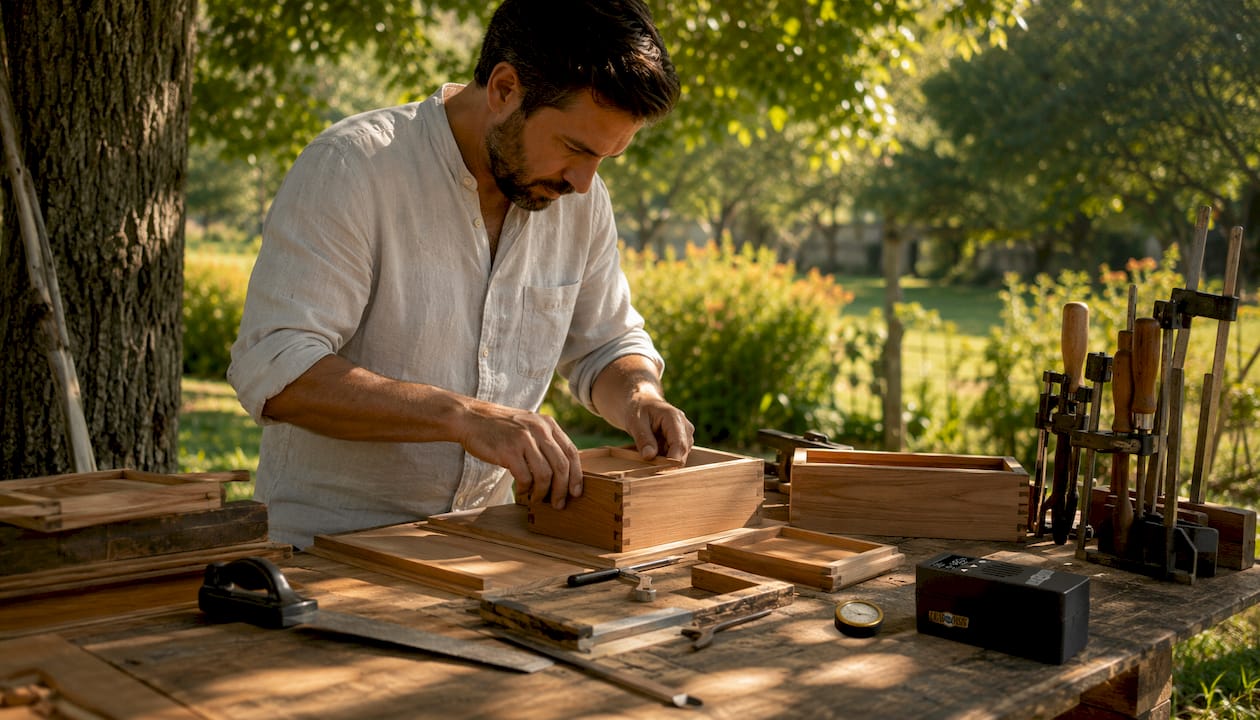
Luxury finishes often distract buyers from the mechanical criteria that actually preserve cigars. Tighter tolerances and heavier construction reduce humidity swings far more effectively than any exotic veneer.
Pro Tip: At a showroom, press the lid firmly closed and listen. A well-built humidor produces a soft, cushioned resistance — the sound of a proper seal compressing. A hollow thud means inadequate mass and a compromised microclimate.
Why a luxury humidor earns its price: materials, craftsmanship, and engineering
Spanish cedar is the non-negotiable interior standard. It buffers humidity, resists tobacco beetles, and complements the aromatic profile of aged tobacco in ways no synthetic lining can replicate. The thickness of that lining matters as much as the species: solid cedar absorbs and releases moisture gradually, dampening the RH swings that cause wrapper cracking and flavor degradation.
Inspection checklist for your showroom visit:
- Interior cedar: solid lining, not veneer; look for consistent grain and no visible seams at corners
- Joinery: dovetail or box joints at corners, no visible filler or caulk
- Hinges: heavy brass or stainless, with zero lateral play when the lid is lifted
- Gasket/seal: full-perimeter compression, no gaps at corners
- Wall thickness: heavier walls mean greater thermal mass and slower temperature drift
Engineering matters beyond the wood. Insulated walls slow temperature fluctuation, which in turn reduces the condensation cycle that stresses cigars. Internal airflow design, including tray spacing and cedar dividers, distributes humidity evenly so the cigars at the back age identically to those at the front.
Pro Tip: Run your fingernail lightly across the interior cedar surface. Properly finished cedar feels slightly textured, almost like fine linen. Over-sanded or lacquered cedar has lost its moisture-buffering capacity entirely.
Humidor types: which format fits your collection?
| Feature | Walk-In | Cabinet | Desktop |
|---|---|---|---|
| Interior wood | Full Spanish cedar walls, floor, ceiling | Spanish cedar lining, furniture-grade exterior | Spanish cedar tray and lid lining |
| RH accuracy | RH accuracy with integrated HVAC | RH accuracy with an electronic humidifier | RH accuracy with a passive or electronic device |
| Temperature stability | Highest; insulated room construction | Good; dependent on room climate | Moderate; vulnerable to ambient swings |
| Capacity | for large collections of cigars | 150–2,000 cigars | — |
| Customization | Fully bespoke; lighting, shelving, lounge seating | High; finish, hardware, tray configuration | Limited; size and exterior finish |
| Delivery & installation | White-glove, on-site build | White-glove delivery and placement | Standard shipping |
| Price tier | $15,000+ | $5,000–$15,000 | $500–$5,000 |
Independent humidor testing consistently shows that performance differences between tiers become measurable within weeks of loading identical stock.
Who should choose which:
- Walk-in: Retail lounges, serious collectors aging 1,000+ cigars, businesses where the humidor is a showpiece
- Cabinet: Home collectors with 200–800 cigars, cabinet humidors suit those who want furniture-grade aesthetics with genuine climate control
- Desktop: Personal collections under 150 cigars, travel supplementation, or gifting contexts
Key performance specs every collector should insist on
Consistent RH matters more than hitting an exact number. Cigars prefer roughly 65–70% RH, but a saw-tooth pattern swinging between 60% and 75% causes far more damage than a steady 68%.
Performance specifications to demand in writing:
- RH accuracy: precise control around your set point, verified by calibrated hygrometer
- Temperature stability within a narrow daily range
- Spanish cedar: solid lining of at least 3/16 inch, properly seasoned
- Seal standard: full-perimeter gasket, tested under load
- Tray spacing: adequate space between layers for airflow
- Material provenance: documented wood sourcing, hardware grade specified
For the humidification device itself, builders recommend buying the box and the humidifier separately. An integrated unit that fails takes the whole system offline. A standalone electronic humidifier, like the Cigar Oasis Plus, can be serviced or replaced without disturbing the humidor itself.
Pro Tip: Pair any bespoke cabinet or walk-in with a dedicated electronic humidifier rather than relying solely on passive beads. Electronic units maintain tighter tolerances and alert you when the reservoir needs attention.
Price tiers and the investment case for premium storage
Well-made luxury humidors reduce maintenance time and stabilizing costs for collectors aging cigars long-term. Better seals and heavier construction reduce manual corrections and humidifier cycling.
What each tier delivers:
- $2,000–$5,000 (entry-premium): Solid cedar lining, quality hinges, reliable passive or basic electronic humidification. Suitable for personal collections of 100–300 cigars.
- $5,000–$15,000 (mid-tier bespoke): Furniture-grade exterior, precision electronic humidity control, custom tray configurations, white-glove delivery. The right tier for serious home collectors and small lounges.
- $15,000+ (ultra-luxury / walk-in): Integrated HVAC, full-room cedar construction, custom lighting and display, on-site installation. Designed for retail environments, high-value aging collections, and collectors for whom the humidor is itself a statement.
Cost drivers at the upper tiers include wood provenance documentation, thicker cedar panels, custom joinery, integrated climate systems, and the labor of a white-glove installation team. Furniture-grade construction is especially important for lounges in variable climates, where ambient humidity swings would overwhelm a lighter build.
The ROI argument is straightforward: investing in a high-end walk-in humidor can be justified as insurance against spoilage of valuable inventory. Spoilage from a failed $300 humidor is not a bargain.
Top luxury humidor makers and where Dunnluxuryselections fits
The luxury humidor market divides into three categories: heritage luxury brands focused on exterior artistry, artisan cabinetmakers who prioritize construction mechanics, and bespoke builders who combine both with custom project management.
Heritage brands bring prestige and collectibility. Artisan cabinetmakers bring engineering depth. Bespoke builders bring the ability to design around your specific space, collection size, and aesthetic vision.
Dunnluxuryselections operates as a curated bespoke provider, combining precision-engineered cedar construction with white-glove delivery and expert consultation. For U.S. collectors and businesses commissioning a custom walk-in or high-capacity cabinet, Dunnluxuryselections offers the full project arc: design, build, installation, and ongoing service support.
For U.S. buyers, the practical path is to request a consultation, share your space dimensions and cigar count, and ask for a specification sheet before any deposit changes hands.
Common mistakes collectors and businesses make
Avoid these:
- Buying on exterior finish alone, ignoring lid fit and seal integrity
- Trusting the bundled analog hygrometer without calibrating it first
- Underfilling a large humidor: empty volume destabilizes RH faster than a full unit
- Accepting thin cedar veneer over MDF as “cedar-lined”
- Over-relying on passive beads in a cabinet holding more than 500 cigars
Quick fixes:
- Calibrate every hygrometer with a salt test before first use
- Use cedar dividers or smaller trays to reduce dead air volume when the collection is not yet full
- Upgrade door seals on older units with self-adhesive weatherstrip rated for compression cycling
- Replace bundled humidifiers with a standalone electronic unit for any collection worth protecting
A bundled humidifier is a convenience feature, not a precision instrument. Treat it accordingly.
How to choose: the right questions to ask every vendor
Selection checklist:
- Confirm interior cedar species, thickness of at least 3/16 inch, and seasoning method in writing
- Request a specification sheet showing ±% RH performance under load
- Verify warranty terms: what is covered, for how long, and who services it
- Ask about white-glove delivery and installation for cabinets and walk-ins
- Confirm the humidification strategy: passive, electronic, or integrated HVAC
Questions to ask on-site:
- “What is the wood seasoning process for your interior cedar?”
- “Can you provide RH performance data from a calibrated test?”
- “What joinery tolerances do you build to?”
- “Does white-glove installation include a post-install calibration check?”
- “What is the warranty on the seal and the humidification system separately?”
Red flags to walk away from:
- “Cedar-lined” with no thickness specification (likely thin veneer)
- No specification sheet available
- Bundled hygrometer with no calibration documentation
- Vague warranty language (“defects at our discretion”)
- No client references or installation case studies available
Trust signals worth demanding: performance specs with ±% RH figures, documented material provenance, client testimonials from comparable installations, and a written white-glove delivery guarantee.
Care, maintenance, and hygrometer calibration
Initial seasoning (new humidor):
- Wipe the interior cedar lightly with a clean, distilled-water-dampened cloth. Never soak it.
- Place an open container of distilled water inside and close the lid for 24 hours.
- Check RH after 24 hours. Repeat the process until the interior stabilizes at your target range (65–70% RH).
- Load cigars only after two full seasoning cycles.
- Log the RH reading on day one of loading as your baseline.
Hygrometer calibration (salt test):
- Place a small dish of table salt moistened with distilled water in a sealed zip-lock bag with the hygrometer.
- Leave sealed for 8–12 hours at room temperature.
- A properly calibrated hygrometer reads 75% RH in this environment. Note any offset and apply it to all future readings.
- Repeat calibration every 3–6 months.
Monthly maintenance: inspect seal compression, check humidifier reservoir, verify RH log for drift. Annual: clean cedar surfaces with a dry cloth, inspect hinges for play, service or replace electronic humidification components.
Pro Tip: Keep a simple RH log, even a handwritten one. A pattern of gradual RH drift over 30 days almost always signals a seal beginning to fail, not a humidifier problem. Catching it early costs nothing to fix.
Commissioning a custom humidor: the Dunnluxuryselections process
A bespoke humidor project follows a defined arc. Understanding each stage protects your investment and sets realistic expectations.
- Consultation (week 1–2): Share space dimensions, cigar count, aesthetic preferences, and budget. Receive a preliminary specification sheet.
- Design (week 2–4): Cedar grade, joinery style, exterior finish, lighting, and humidification strategy are finalized. You approve drawings before build begins.
- Build (week 4–12): Construction using specified materials. Performance testing occurs before the unit leaves the workshop.
- Finish and quality check (week 12–14): Final surface treatment, hardware installation, and a calibrated RH test under simulated load.
- White-glove delivery and installation (week 14–16): On-site placement, leveling, seal verification, and a post-install RH calibration check.
Every Dunnluxuryselections commission includes a written performance guarantee, a maintenance guide, and a warranty covering both the cedar construction and the humidification system. Financing options are available for qualified buyers, making a $10,000–$50,000 commission accessible without a single lump-sum payment.
Ask your vendor for the Santiago humidor as a reference point for large-capacity cabinet specifications before commissioning a walk-in.
Bespoke or off-the-shelf? The final verdict
Match your profile to the right route:
- Commission bespoke if you are aging high-value cigars long-term, operating a lounge or retail environment, or need a humidor that fits a specific architectural space
- Buy a premium cabinet if you have a defined collection of 150–800 cigars and want furniture-grade quality without a full custom project
- Choose a quality desktop for personal collections under 150 cigars or as a secondary unit for desktop humidors at a secondary location
Next steps: Request a consultation with Dunnluxuryselections, share your space measurements and collection size, and ask for a written specification sheet before any commitment.
Pro Tip: Before your consultation, photograph your intended installation space from four angles and measure the ceiling height. A builder who can visualize the space before the first call will give you a far more accurate timeline and cost estimate.
Where cigar aficionados gather: top communities and forums
The richest cigar aficionado resources for collectors are found where serious enthusiasts debate storage, share tasting notes, and organize events. Cigar Aficionado magazine’s online platform at cigaraficionado.com remains the most authoritative single destination, combining humidor ratings, brand reviews, and event listings. Reddit’s r/cigars community offers candid peer discussion on cigar storage tips, first-light impressions, and pairing experiments from a large, active membership. The Cigar Federation forums and Cigar Pass groups on Facebook connect collectors who trade, age, and review together.
Offline, cigar lounges affiliated with the Premium Cigar Association serve as gathering points where cigar smoking etiquette is observed naturally and knowledge transfers organically. Cigar club membership at a local lounge often unlocks private lockers, event invitations, and access to limited releases before they reach retail.
Essential publications and blogs every enthusiast should read
Cigar Aficionado is the publication of record: its 100-point rating scale, tasting notes, and annual Big Smoke events have shaped collector vocabulary for decades. Cigar Snob magazine covers lifestyle and culture alongside ratings, with a tone that appeals to newer collectors. Halfwheel operates as a daily trade publication, covering new releases, factory visits, and industry news with a depth that rivals print.
For cigar enthusiast guides in blog format, The Cigar Authority podcast and blog covers tasting notes and pairing techniques with consistent editorial rigor. Stogie Review built one of the earliest video review archives and remains a reference for comparative cigar tasting notes across vintages.
Notable cigar events and trade shows worth attending
The IPCPR Trade Show, now operating as the Premium Cigar Association Trade Show, is the industry’s primary annual event, where manufacturers debut new lines and retailers place orders. Big Smoke events hosted by Cigar Aficionado in Las Vegas and Miami offer collectors direct access to master blenders, limited releases, and cigar events near me searches consistently surface these as the premier consumer experiences in the U.S.
Internationally, the Habanos Festival in Havana draws collectors focused on Cuban tobacco heritage, while ProCigar in the Dominican Republic provides factory tours and blending seminars. For U.S. collectors, regional events hosted by premium lounges and the PCA’s local chapter network offer accessible entry points throughout the year.
Cigar industry personalities and influencers worth following
Rocky Patel, founder of Rocky Patel Premium Cigars, is one of the most visible figures in the U.S. market, known for accessible commentary on blending and aging. Nick Perdomo of Perdomo Cigars brings generational expertise in Nicaraguan tobacco cultivation. On the media side, Cigar Aficionado editor Gordon Mott has shaped the publication’s rating methodology for years.
Among digital influencers, channels dedicated to cigar accessories reviews and blind tastings have grown substantially on YouTube and Instagram. The most credible voices pair tasting notes with provenance detail, discussing wrapper origin, fermentation, and aging conditions rather than surface impressions alone.
Learning cigar tasting and pairing: the best resources
Tasting cigars with intention requires a vocabulary and a method. Cigar Aficionado’s tasting methodology, published on its site, provides the foundational framework most collectors adopt. The Tobacconist University, available at tobacconistuniversity.org, offers structured cigar enthusiast guides covering flavor wheel terminology, wrapper identification, and pairing principles.
For pairing specifically, the principle is contrast and complement: a full-bodied Nicaraguan pairs with aged Scotch because the peat and the pepper amplify each other, while a Connecticut-wrapped mild cigar suits a lighter rum or coffee. Structured tasting sessions at a premium lounge, where a tobacconist guides the flight, accelerate learning faster than solo study.
Popular cigar brands and their signature lines
A collector’s reference by region:
- Nicaragua: Padrón 1964 Anniversary Series (full-bodied, chocolate and earth notes), Rocky Patel Vintage 1990, Perdomo Reserve 10th Anniversary
- Dominican Republic: Arturo Fuente Opus X (rare, highly allocated), La Gloria Cubana, Davidoff Millennium Blend
- Honduras: Punch Grand Cru, Camacho Connecticut for milder profiles
- Cuba: Cohiba Behike (the benchmark for Cuban tobacco), Montecristo No. 2, Partagás Serie D No. 4
- Connecticut (wrapper): Macanudo Café, Ashton Classic — the standard entry point for collectors new to the category
Each region expresses distinct terroir. Nicaraguan tobacco tends toward pepper and dark fruit; Dominican toward cedar and cream; Cuban toward complexity that rewards long aging. Understanding regional character is the foundation of building a collection with intentional variety.
Key Takeaways
A bespoke, Spanish cedar-lined humidor with verified ±1–2% RH stability is the single most protective investment a serious collector or business can make for long-term cigar preservation.
| Point | Details |
|---|---|
| Prioritize construction over finish | Lid fit, seal integrity, and cedar thickness preserve cigars; exotic veneers do not. |
| Insist on ±1–2% RH performance | Consistent RH prevents wrapper cracking and flavor loss; demand a written spec sheet. |
| Separate box from humidifier | Buy the humidor and the humidification device independently for easier servicing and better control. |
| Match format to collection size | Walk-ins for 500+ cigars and commercial use; cabinets for 150–800; desktops for personal collections under 150. |
| Dunnluxuryselections for bespoke commissions | Dunnluxuryselections offers custom walk-ins, white-glove delivery, and financing for collectors and businesses across the U.S. |
The case for building a sanctuary, not just buying a box
The collectors who protect their investments most effectively are not the ones who spend the most. They are the ones who ask the right questions before they sign anything. I have seen six-figure cigar collections stored in furniture-grade cabinets that held RH within one percentage point for years, and I have seen equally expensive collections ruined by a beautiful lacquered box with a seal that failed in the first humid summer.
The humidor market rewards patience and specificity. A collector who specifies cedar thickness, demands a calibration test, and insists on a written performance guarantee will almost always outperform one who buys on brand name alone. The bespoke route, particularly for collections above 500 cigars or commercial environments, is not an indulgence. It is the only format that can be engineered precisely to your space, your climate, and your aging goals.
Dunnluxuryselections: bespoke humidors built to your exact specification
For collectors and businesses ready to protect a serious investment, Dunnluxuryselections delivers what prefabricated options cannot: a humidor designed around your space, your collection, and your standards. Every commission begins with a consultation, proceeds through a documented design and build process, and concludes with white-glove on-site installation and a written performance guarantee.
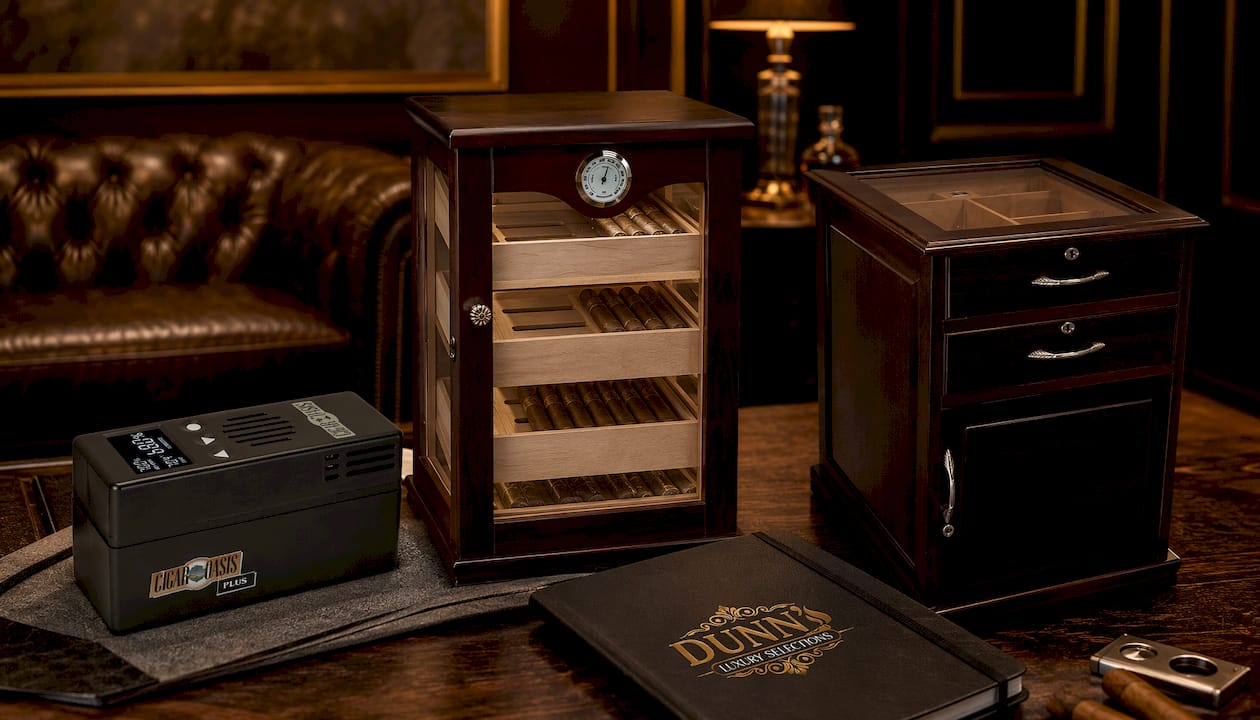
The Milano Cigar Display offers 360-degree presentation-grade storage for retailers and collectors who want their collection visible. The Santiago humidor handles large-capacity cabinet needs with verified climate control. Pair either with the Cigar Oasis Plus for standalone electronic humidification that can be serviced without disturbing the cabinet. Financing is available for qualified buyers. Request your consultation at dunnluxuryselections.com and bring your space dimensions to the first call.
FAQ
What RH level should a luxury humidor maintain?
Target roughly 65–70% relative humidity, but consistency matters more than the exact number. A steady RH outperforms swings between 60% and 75%.
How thick should Spanish cedar lining be in a quality humidor?
Solid cedar lining of at least 3/16 inch is the standard for genuine humidity buffering. Thin veneer over MDF absorbs moisture unevenly and fails under long-term cycling.
How do I calibrate a hygrometer?
Use the salt test: seal the hygrometer with a small dish of salt moistened with distilled water for 8–12 hours. A calibrated unit reads 75% RH in that environment; note any offset and apply it to all readings.
When does a walk-in humidor make sense over a cabinet?
Walk-ins suit collections of 500 or more cigars, retail lounges, and any setting where the humidor itself is a display feature. For collections under 500 cigars, a premium cabinet delivers comparable climate control at a fraction of the cost.
What does Dunnluxuryselections offer for custom humidor projects?
Dunnluxuryselections provides bespoke walk-in and cabinet humidors with white-glove delivery, on-site installation, written performance guarantees, and financing options for U.S. collectors and businesses.
Recommended
You May Also Enjoy
Cigar Collection Insurance: How to Protect Your Humidor
Home policies often cap or exclude cigars. Learn how floaters, agreed value, appraisals and inventories protect a serious...
Read Article
Cigar Locker Dimensions: Sizing Guide for Collectors and Lounges
Cigar locker dimensions explained: compartment sizes, cabinet footprints, capacity math and clearances, so you size a locker bank...
Read Article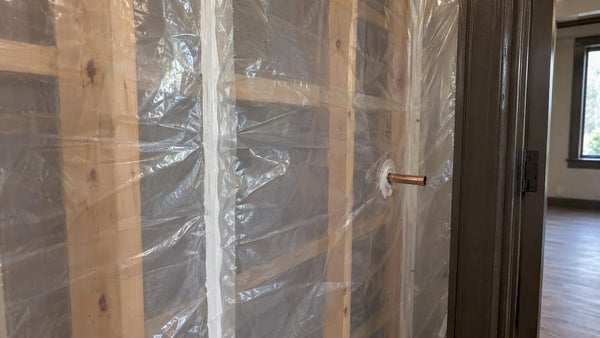
Sealing a Walk-In Humidor: Envelope, Door and Penetrations
How to seal a walk-in humidor properly: vapor barrier placement, door gasket, penetrations and the controlled airflow a...
Read Article