

For collectors: clean mold or plume without tainting cedar. Keep or toss decision rules, 14 days reseasoning, hygrometer calibration, and steady RH...
Quarantine the cigars first. If growth smears, discolors the wood, or smells musty, treat it as mold. Pull every stick, remove the humidification media, and prepare for a deep clean before anything goes back inside. If the growth brushes off cleanly with no odor, it is almost certainly plume, and a gentle brush is all it needs.
TL;DR:
- Proper identification is crucial: mold smears and smells musty, while plume brushes off cleanly and appears as an even crystalline dusting.
- In the first hour, remove all cigars, quarantine questionable ones, discard porous media, and air out the humidor to prevent cross-contamination.
- Deep cleaning requires gentle disinfection around cedar with alcohol or peroxide on non-porous surfaces and only distilled water on the wood to avoid damage.
- Discard cigars with smeared mold or persistent musty odors, and replace all contaminated porous media; heavy colonization indicates the need for professional inspection.
- Maintain environment stability by controlling humidity at 65-67%, avoiding overcrowding, rotating cigars weekly, and calibrating hygrometers regularly.
Table of Contents
- How to Tell Plume From Mold in a Humidor
- Immediate Checklist: What to Do in the First Hour
- Deep-Cleaning a Cedar-Lined Humidor Step by Step
- When to Discard Cigars, Media, or the Humidor Itself
- Re-Seasoning After a Deep Clean: Methods and Timing
- Preventing Mold: Your Ongoing Maintenance Rhythm
- How to Calibrate Your Hygrometer With the Salt Test
- Why Trust This Cleaning and Recovery Process
- What Most Cleaning Advice Gets Backward
- Recommended Products for a Stable, Mold-Resistant Humidor
- Sources
- FAQ
How to Tell Plume From Mold in a Humidor
Plume, sometimes called bloom, is a crystalline dusting that forms when oils and sugars in the tobacco migrate to the surface and crystallize. It brushes away with a soft finger swipe and leaves nothing behind. Mold behaves differently: it smears when touched, discolors the wrapper or cedar underneath, and usually carries a musty, damp-basement smell that plume never has.
Location tells you something too. Plume tends to show up evenly across the wrapper, almost like a light frost. Mold is opportunistic. It shows up on the foot, under the cigar band, or in the cedar lining where moisture pools and airflow is weakest. The wipe test is the fastest field diagnostic: dab a bit of water on the spot, then wipe. Plume dissolves and disappears. Mold streaks.
When you genuinely cannot tell the difference, treat it as mold. The cost of being overly cautious with a $12 cigar is nothing compared to a colonized humidor.
Immediate Checklist: What to Do in the First Hour
Once you spot suspicious growth, speed and order matter more than perfection. Work through this sequence before you touch a cleaning product:
- Remove every cigar from the box and inspect each one individually under good light.
- Quarantine any cigar with questionable spots in a separate, clean container with fresh two-way humidity packs set at 62% to 65%.
- Discard any humidification media, including sponges and gel jars, that made contact with the moldy area. Porous media absorb spores and become a mold reservoir even after wiping.
- Pull any electronic humidification unit for separate cleaning, since fans and reservoirs can recirculate spores.
- Open the humidor fully and let it air out while you gather sanding supplies, isopropyl alcohol, and distilled water.
This is triage, not the full cure. The goal is to stop cross-contamination between healthy cigars and compromised ones, and to strip out anything that cannot be reliably disinfected.
Deep-Cleaning a Cedar-Lined Humidor Step by Step
A cedar-lined box demands a gentler hand than a kitchen counter or a bathroom tile floor. Cedar is porous, and it is also the thing giving your cigars their aging character, so you disinfect around it, not directly on it, wherever possible.
- Empty the humidor completely and discard any porous media that touched the affected area.
- Vacuum loose debris and spores with a soft brush attachment, working in one direction to avoid grinding particles into the grain.
- If mold has stuck to a localized spot, use fine-grit sandpaper on that section only. Do not sand the whole interior.
- Disinfect all non-porous parts, hinges, trays, glass, and metal fittings, with 70% isopropyl alcohol or 3% hydrogen peroxide.
- On the cedar itself, use only a cloth barely dampened with distilled water. Tap water carries minerals and chemicals that promote future growth. Never saturate the wood.
- Let the box dry fully for 24 to 48 hours with the lid propped open. If you smell lingering alcohol, wipe once more with distilled water to neutralize it before re-seasoning.
Pro Tip: Keep a second, dedicated cloth just for distilled water passes on cedar. Cross-using a cloth that touched alcohol or peroxide risks transferring trace residue into the wood, which can taint flavor for weeks.
This sequence mirrors what serious retailers use behind the counter, and it exists for a reason: cedar that gets scrubbed, soaked, or blasted with harsh chemicals loses the very qualities that made it worth lining a humidor with in the first place.
When to Discard Cigars, Media, or the Humidor Itself
Not everything is salvageable, and pretending otherwise is how a small mold problem becomes a total loss. Use these rules as your decision framework, not your gut instinct:
- Toss any cigar where mold smears rather than brushes off, especially if it has worked under the wrapper or into the foot.
- A cigar with surface plume that wipes clean, with no odor, can usually be set aside and re-observed over a few days rather than discarded outright.
- Replace all porous humidification media that contacted mold. Sponges and gel jars are not worth trying to save, since contaminated porous material acts as a mold host even after a rinse.
- Weigh cost against quality before you sink more time into a $60 desktop box. Sometimes retiring a cheap, warped humidor and reinvesting in one with better seals is the more economical move.
- If the wood shows heavy colonization across multiple panels, or the musty smell persists after a full deep clean, that is your signal to get a professional inspection or consider a better-built enclosure.
Re-Seasoning After a Deep Clean: Methods and Timing
Cedar that has just been sanded and wiped down is thirsty and unstable. Skipping the re-seasoning step is the single most common reason collectors end up right back in the same mold cycle a month later.
The seasoning-pack method is the lowest-risk option for most collectors. Place Boveda 84% packs inside the closed, empty humidor for 14 days, then remove them and switch to maintenance-level packs at your target humidity. The wipe-down-and-bowl method works too, using only distilled water on a cloth or in an open dish inside the sealed box, but it demands more attention since over-wetting cedar can cause warping.
Before cigars go back in, confirm the box is actually ready. Add your hygrometer and watch for a steady reading near your target RH for a full 24 hours. Thicker or older cedar can take longer to fully stabilize, so patience here protects everything you put back inside.
Preventing Mold: Your Ongoing Maintenance Rhythm
Cleaning a humidor after the fact is damage control. The real work happens in the weeks between crises, and it comes down to a handful of habits repeated consistently rather than one dramatic fix.
Keep daily storage at 65% to 67% relative humidity, and drop to 62% to 65% for long-term aging boxes or travel cases, where a little extra dryness buys you a margin of safety. Temperature matters just as much as humidity: aim for the mid to upper 60s degrees Fahrenheit, since warmer air holds more moisture and creates the exact conditions mold thrives in.
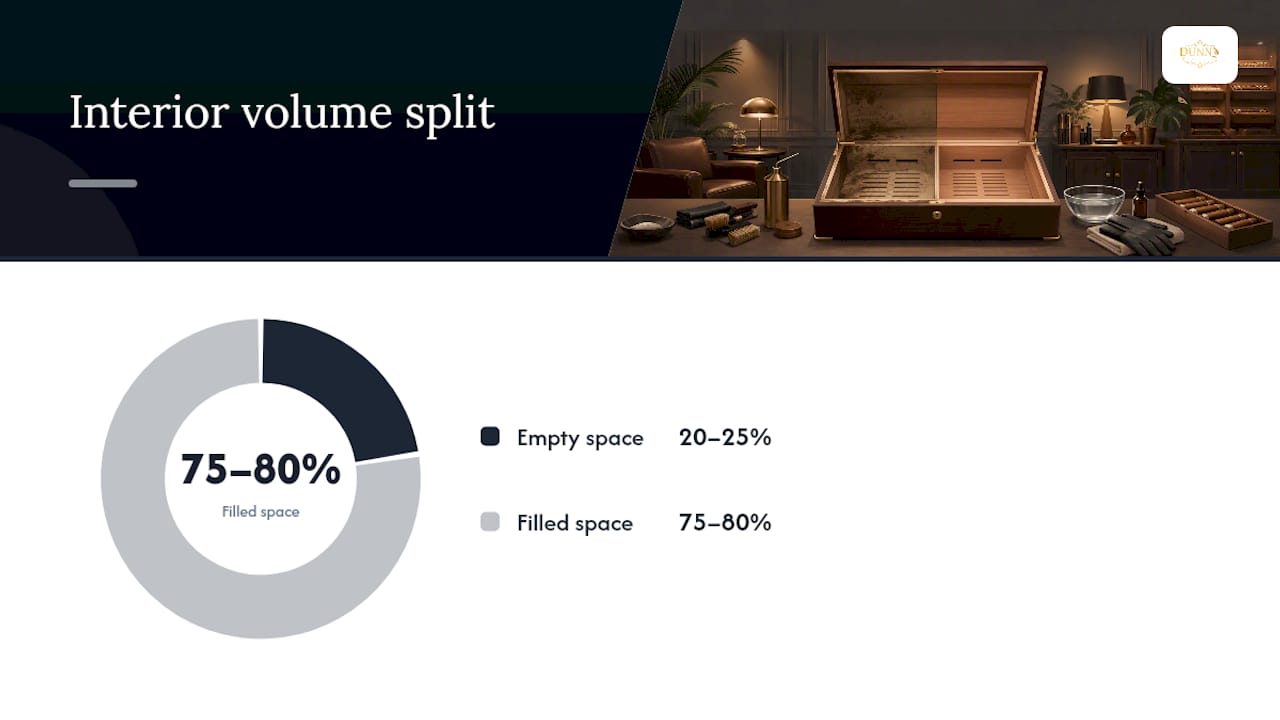
- Leave roughly 20% to 25% of the interior volume empty rather than packing the box wall to wall. Retailers use this spacing rule because tightly stacked cigars create microclimates where moisture pools unevenly.
- Rotate your cigars weekly or biweekly so no single stick sits against a damp wall or humidifier for weeks at a stretch.
- Use only distilled water or the manufacturer-specified solution in your humidifier, and swap two-way packs the moment they feel hard rather than pliable.
An empty quarter of your humidor is not wasted space. It is airflow insurance, and it is the cheapest prevention step on this entire list.
How to Calibrate Your Hygrometer With the Salt Test
A hygrometer reading 68% when the box is actually sitting at 74% will send you chasing the wrong problem every time. Calibration takes an evening and costs nothing.
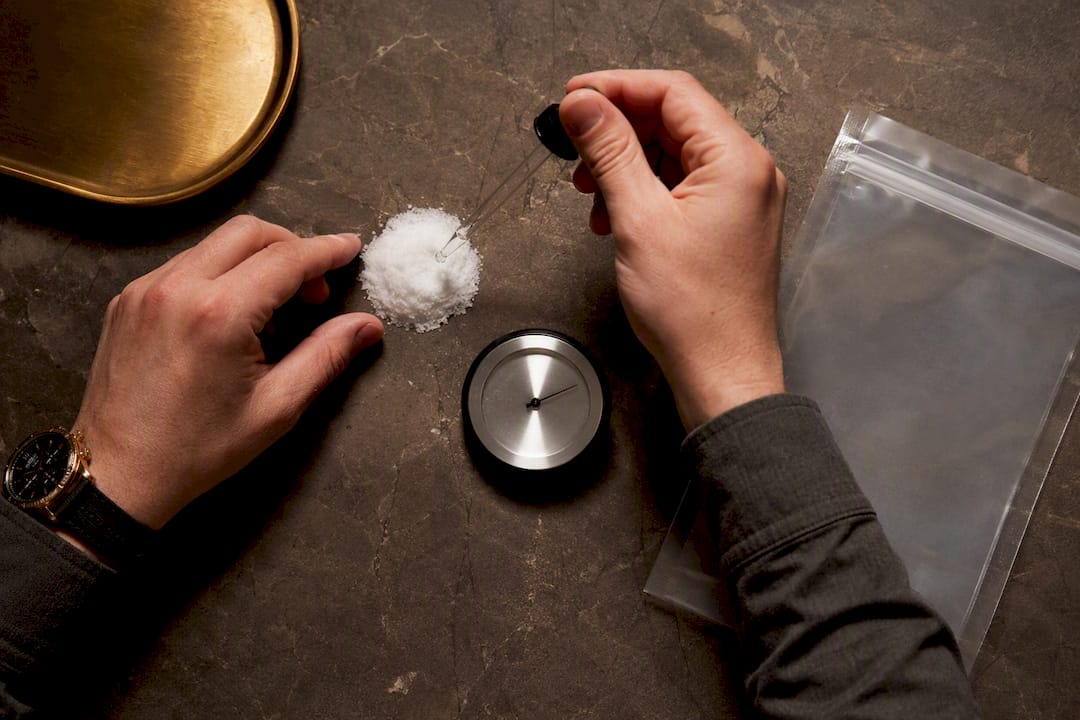
Dampen a small pile of table salt so it is moist but not dissolved, then seal it in an airtight bag or cap with your hygrometer for 8 to 12 hours. A properly calibrated gauge should read close to 75% relative humidity at the end of that window. Digital units often let you adjust the offset directly. Analog units usually do not, so note the gap and mentally correct future readings by that same margin.
Placement affects accuracy too. Mount the hygrometer at mid-height, away from the humidifier and side walls, where readings run artificially high or low. Serious collectors run a second gauge for cross-verification, a habit worth tracking with a simple humidity log.
Why Trust This Cleaning and Recovery Process
This company has built its reputation on custom walk-in humidors and premium storage systems where humidity control is not a convenience, it is the entire product. That same conservative, cedar-first philosophy shapes every recommendation here: protect the wood, protect the tobacco, and never trade a quick fix for long-term stability.
A humidor is a living ecosystem, not a static box. Treat the cedar with the same respect you give the cigars inside it, and most mold problems never happen twice.
For an isolated case of mold on a desktop box, the steps above are enough. For heavy colonization across a cabinet, a large walk-in system, or a persistent musty smell that will not lift after a full deep clean, a professional consultation may be necessary. Structural issues in a walk-in humidor involve wall cavities and ventilation systems that go well beyond what a cloth and a bottle of isopropyl can fix.
What Most Cleaning Advice Gets Backward
Most guides online treat mold removal as a one-time emergency, a scrub-and-move-on event. That framing misses the actual lesson. Every mold outbreak in a humidor is a symptom of an unstable environment, not a cleaning failure. The wood did not fail you. The humidity swung, the airflow stagnated, or the media went bad, and mold was simply the visible result.
The conventional advice also tends to overstate how aggressively you should sanitize. Bleach, essential oils, and heavy alcohol soaks show up constantly in forum threads, and all three can permanently taint the flavor cedar imparts to your cigars. Restraint matters more than firepower here. A barely damp cloth and patience beat a chemical assault every time.
If there is one thing I would tell every collector before they touch a sponge or a sanding block, it is this: fix the environment before you fix the box. A perfectly cleaned humidor with the same unstable RH swings will grow mold again within a season. Calibrate the gauge, correct the airflow, and only then worry about what is on the shelf.
— Belle Dunn
Recommended Products for a Stable, Mold-Resistant Humidor
A clean humidor stays clean when the humidity inside it stops swinging, and that is where the right supporting gear pays for itself. Humidity Beads (1 lb) offer passive, low-maintenance stabilization that is ideal right after a deep clean, when you want steady RH without babysitting the box daily.
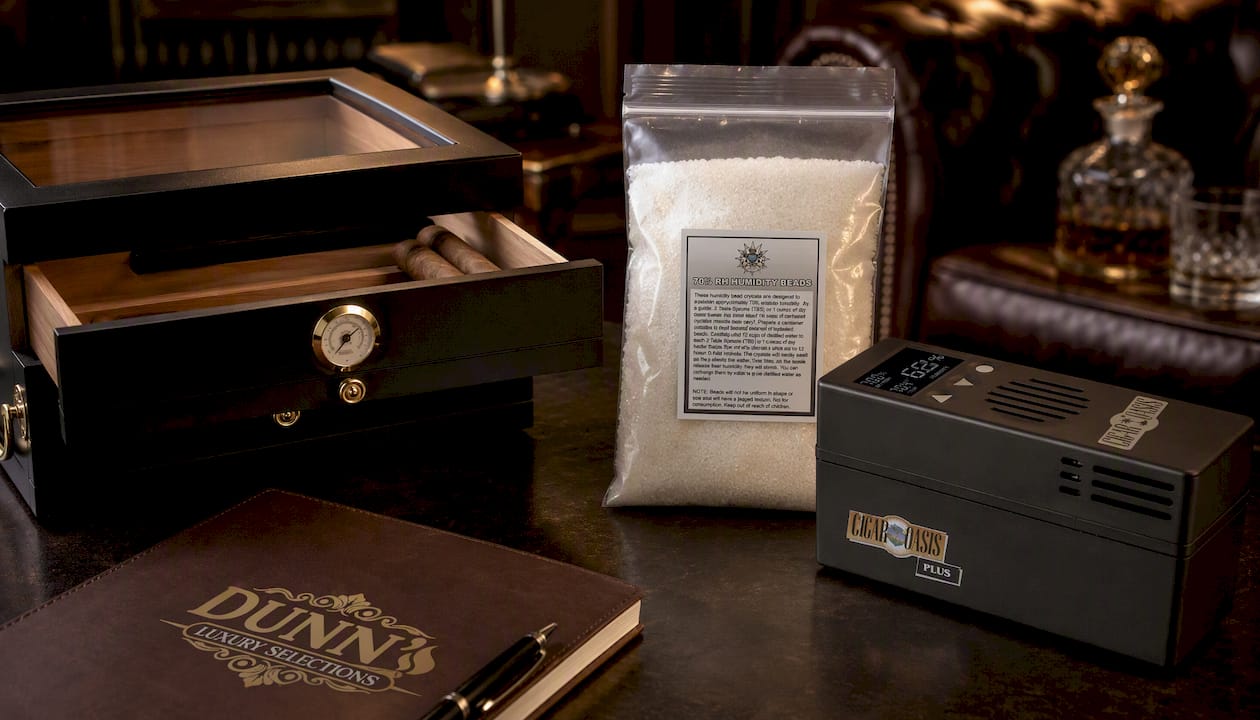
For collectors managing a larger cabinet or a box that sees frequent lid-opening, the Cigar Oasis Plus electronic humidifier gives you precise, active control during the recovery period, when even small swings can undo a fresh re-seasoning job. And if the whole episode has you rethinking your current enclosure, the Palermo by Humidor Supreme is a maintenance-friendly cabinet built with the airflow and seal quality that make the routine in this guide far less necessary in the first place. Pair any of these with our care guides library for ongoing maintenance schedules, and if you’re weighing a custom walk-in humidor for a larger collection, start with a consultation at Dunn’s Luxury Selections.
Sources
- Cleaning Humidor Mold | Holt’s Clubhouse
- Plume or Mold? Season, Airflow, RH | Howard Environmental
- How to Season A Humidor with Boveda for Seasoning - Boveda
FAQ
What Is the 135 Rule for Cigars?
The 135 rule refers to storing cigars at roughly 70 degrees Fahrenheit and 70% relative humidity, though many collectors now favor the slightly more conservative 65/65 range to reduce mold risk while still supporting proper aging.
How Long Can Cigars Stay Out of a Humidor Before They Go Bad?
Cigars can typically sit outside a humidor for a day or two in stable indoor conditions without harm, but extended exposure to dry air or fluctuating temperatures accelerates wrapper cracking and uneven burning.
Can Cigars Get Moldy Inside a Humidor?
Yes, and it happens more often than collectors expect when relative humidity climbs too high, airflow stalls, or humidification media go bad, which is why maintaining 65% to 67% RH and steady airflow matters as much as any cleaning routine.
How Do You Revive an Old, Dried-Out Humidor?
Start with a full inspection for cracked seals or warped wood, then follow the same deep-clean sequence used for mold before re-seasoning with a Boveda-style seasoning pack for 14 days to fully recondition the cedar.
How Often Should You Clean a Humidor?
A full deep clean is only necessary when mold appears or the box has sat unused for months, but a light wipe-down of trays and hardware every few months keeps dust and residue from building up between deep cleans.
What Cleaning Products Are Safe for a Humidor?
Stick to 70% isopropyl alcohol or 3% hydrogen peroxide for non-porous parts and distilled water only for the cedar interior, since tap water introduces minerals and residues that encourage future growth.
How Do I Know If My Hygrometer Is Accurate?
Run the salt test: seal dampened salt with your hygrometer for 8 to 12 hours and confirm it reads close to 75% relative humidity, adjusting or noting the offset if it does not.
Recommended
You May Also Enjoy
Cigar Locker Dimensions: Sizing Guide for Collectors and Lounges
Cigar locker dimensions explained: compartment sizes, cabinet footprints, capacity math and clearances, so you size a locker bank...
Read Article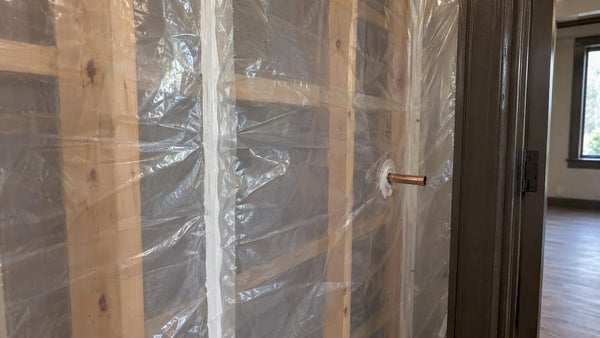
Sealing a Walk-In Humidor: Envelope, Door and Penetrations
How to seal a walk-in humidor properly: vapor barrier placement, door gasket, penetrations and the controlled airflow a...
Read Article
Retail Humidor ROI: How to Measure What a Display Earns
What does a retail or lounge humidor really return? A practical framework for cigar shops, lounges and clubs:...
Read Article