

Set a practical refill routine for collectors and lounges: sponge weekly, gel 2 to 8 weeks, electronic about monthly. Includes maintenance and placement tips.
Refill frequency depends entirely on what kind of humidification device sits inside your humidor. Sponge and foam units need attention weekly to biweekly. Gel and crystal jars run 2 to 8 weeks between top-ups. Electronic reservoirs stretch to a month or longer, depending on tank size. Two-way packs aren’t refilled at all. They are replaced periodically depending on pack size and usage.
TL;DR:
- Sponge and foam humidifiers require weekly refills, with signs of crusting indicating replacement rather than re-wetting.
- Gel and crystal systems last 2 to 8 weeks between top-ups, with shrinkage as the main visual cue for refilling.
- Electronic humidifiers typically need refilling once a month, with larger reservoirs extending that interval, especially in high-traffic or large cabinets.
- Two-way packs are replaced every 2 to 6 months, never refilled, and are the lowest maintenance option but have recurring costs.
- Proper maintenance, including use of distilled water and regular hygrometer calibration, is essential to keep refilling intervals predictable and effective.
Table of Contents
- Humidifier refill frequency by device type
- What changes your refill schedule
- Building a refill schedule you’ll actually follow
- Maintenance that protects your refill schedule
- Why tight RH control changes the refill conversation
- A collector’s actual weekly routine
- Reduce the guesswork with the right humidification system
- Sources
- FAQ
Humidifier refill frequency by device type
Every humidification method has its own rhythm, and knowing which one you’re working with saves you from either neglecting your cigars or fussing over them unnecessarily.
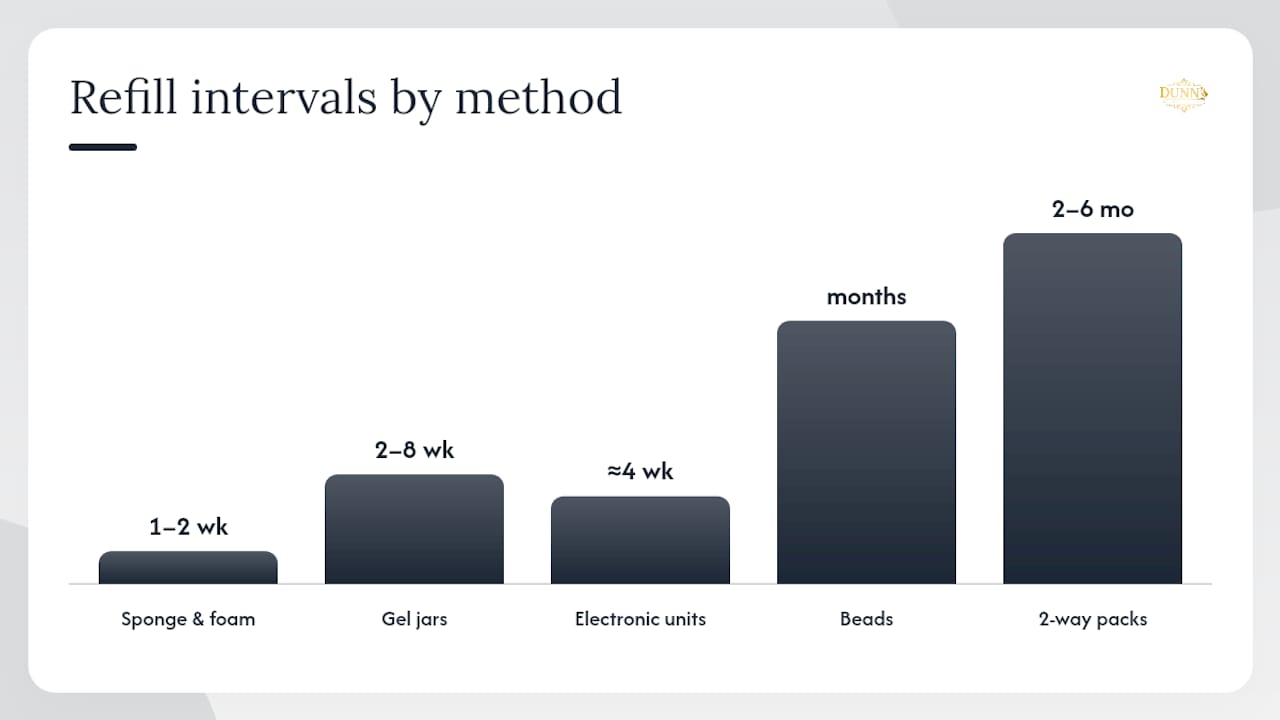
Sponge and foam humidifiers are the oldest technology in the humidor world, and they’re also the thirstiest. Expect to re-wet them every one to two weeks under normal conditions. Watch for hardening or a grayish mineral crust on the surface. That’s your sign the foam is done, not just dry. Once hardened, it no longer releases moisture evenly and should be replaced instead of re-wetted.
Gel jars and crystal gel systems hold moisture longer and release it more gradually, which is why they fall in the 2 to 8 week range for top-ups, a spread confirmed across several refill guides. The visual cue is shrinkage. When the gel visibly recedes from the jar walls, it’s time to add distilled water. Placement matters here too; center-shelf positioning distributes vapor more evenly than a jar tucked in a corner.
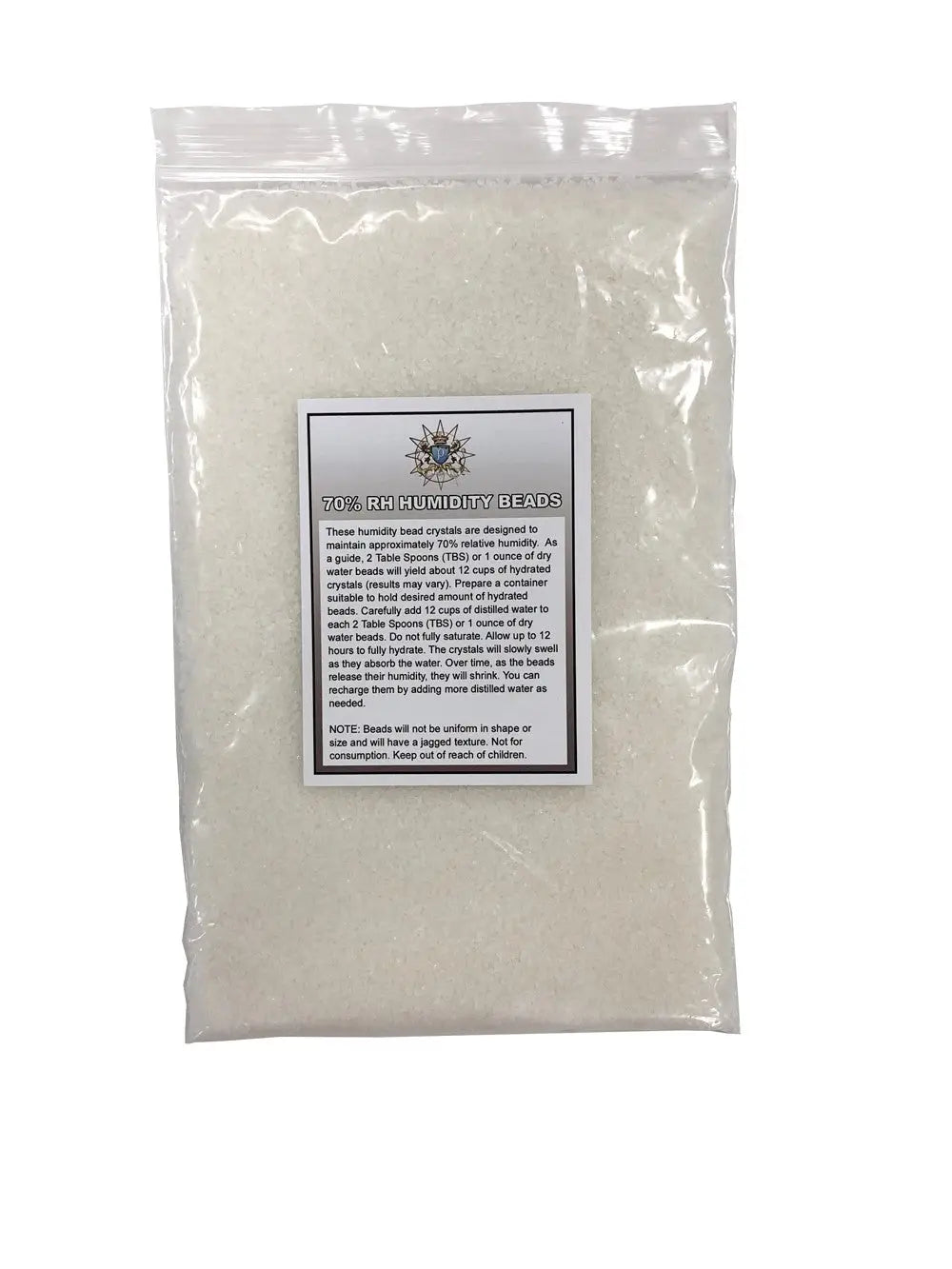
Humidity beads and silica media are the slow burners of the category. A well-maintained bead system can go months between rehydration cycles, and the beads themselves often last 3 to 6 years before replacement, according to maintenance notes from Cigar Star. Add distilled water gradually, a few ounces at a time, until the beads stop absorbing and return to their original color.
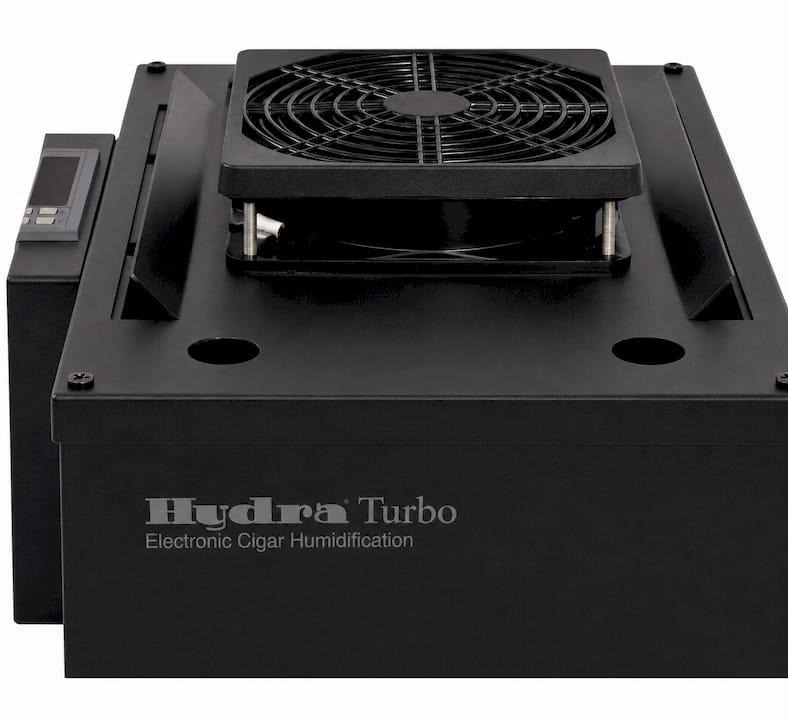
Electronic humidifiers, including units like the HYDRA® TURBO commercial system, typically need refilling about once a month, with larger reservoirs stretching that further in walk-ins and high-capacity cabinets. Smaller units built for desktop or single-cabinet use, like the HYDRA SM, follow a similar cadence but with a smaller tank, so check indicator lights more often in dry seasons.
Two-way humidity packs are the outlier. You never refill them. You replace them, typically every 2 to 6 months depending on pack size and how often the humidor gets opened. They’re maintenance-light in the sense that there’s no water to manage, but that convenience comes with a recurring cost that adds up across a large cabinet.
What changes your refill schedule
Base intervals are a starting point, not a guarantee. Several variables push your actual schedule tighter or looser.
- Opening frequency. A humidor opened daily loses moisture faster than one accessed once a week, simply because every opening exchanges humidified air for ambient room air.
- Ambient humidity and heating season. Indoor heating in fall and winter can drop ambient RH into the 20s, forcing your humidifier to work overtime and shortening every refill interval discussed above.
- Humidor size, seal quality, and cigar load. A tightly sealed, fully loaded cabinet holds humidity far better than a half-empty one, since the cigars themselves buffer moisture swings.
- Device capacity and placement. A humidifier mounted low in a cabinet manages differently than one centered near the airflow path, and larger reservoirs simply need less frequent attention than small ones.
- Operational context. A retail lounge with dozens of daily openings behaves nothing like a private collector’s study cabinet accessed twice a week. Commercial settings should plan on the aggressive end of every range above.
Building a refill schedule you’ll actually follow
The goal isn’t a rigid calendar. It’s a rhythm tuned to your specific setup, checked often enough at first that you stop guessing.
- Desktop humidors: Check weekly, refill weekly for sponge/foam units, or every 2 to 4 weeks for gel systems.
- Cabinet humidors: Check every two weeks, top up every 2 to 8 weeks depending on device type and cabinet load.
- Walk-ins with electronic systems: Check monthly, refill the reservoir as the indicator or hygrometer signals.
The universal trigger, regardless of device: refill when your reading drops 3 to 5% below your setpoint. Digital hygrometers make this easy with a direct percentage readout. Analog dial hygrometers need more frequent cross-checks since drift is common.
When you refill beads or crystal jars, add distilled water incrementally rather than saturating in one pour, and wipe down any spillover immediately to protect Spanish cedar surfaces. For electronic tanks, fill to the manufacturer’s marked line only. Overfilling risks leaks into the cabinet below.
Pro Tip: Check your hygrometer twice a week for the first month with any new humidor. That short learning period tells you exactly how fast your specific setup drains moisture, so you stop refilling on a generic schedule and start refilling on your humidor’s actual rhythm.
Seasonal adjustment matters more than most collectors admit. During winter heating months, tighten your checking cadence across every device type. Before a holiday trip or any stretch away from the humidor, top everything off fully and confirm your two-way packs aren’t within a few weeks of their replacement window.
Maintenance that protects your refill schedule
Refill frequency and hygiene are linked. A poorly maintained system needs more frequent attention and delivers worse results even when you’re diligent about timing.
- Use distilled water only. Tap water carries minerals that build up on foam, cedar, and jar surfaces, degrading performance over time, a point emphasized in maintenance guidance from Amber Ash.
- Clean and dry components between refills. Rinse bead containers and electronic reservoirs, then let them air dry fully before returning them to the cabinet, since trapped moisture invites mold.
- Replace on realistic timelines. Foam lasts 6 to 12 months, gel crystals 1 to 2 years, and beads 3 to 6 years before performance degrades regardless of refilling diligence.
- Watch for mold or off odors. Any white or green film on cedar or media means immediate removal and a full cabinet inspection, not just a spot cleaning.
- Calibrate your hygrometer annually using a salt test or a commercial calibration kit. A hygrometer reading even 2 to 3% off will throw your entire refill trigger out of alignment.
Why tight RH control changes the refill conversation
A device running low doesn’t just risk drying cigars. It introduces the kind of humidity drift that undermines everything a tighter active humidification system is built to prevent.
Sizing and placement drive recommendations more than brand preference. A desktop box gets a compact electronic unit or a bead system sized to its volume. A cabinet gets humidifiers positioned according to airflow, not just convenience, a principle we detail in our guide to humidifier placement in cabinets. Custom walk-in humidors often pair commercial electronic systems with monitoring options that flag refill needs before RH ever drops out of range, cutting the manual burden for lounges managing large collections.
A collector’s actual weekly routine
Lounges with heavy daily traffic should lean toward electronic systems over passive packs.
— Belle Dunn
Reduce the guesswork with the right humidification system
The real cost of manual refilling isn’t the water. It’s the risk of catching a drift too late. The right device paired to the correct storage volume can make your refill schedule predictable instead of reactive.
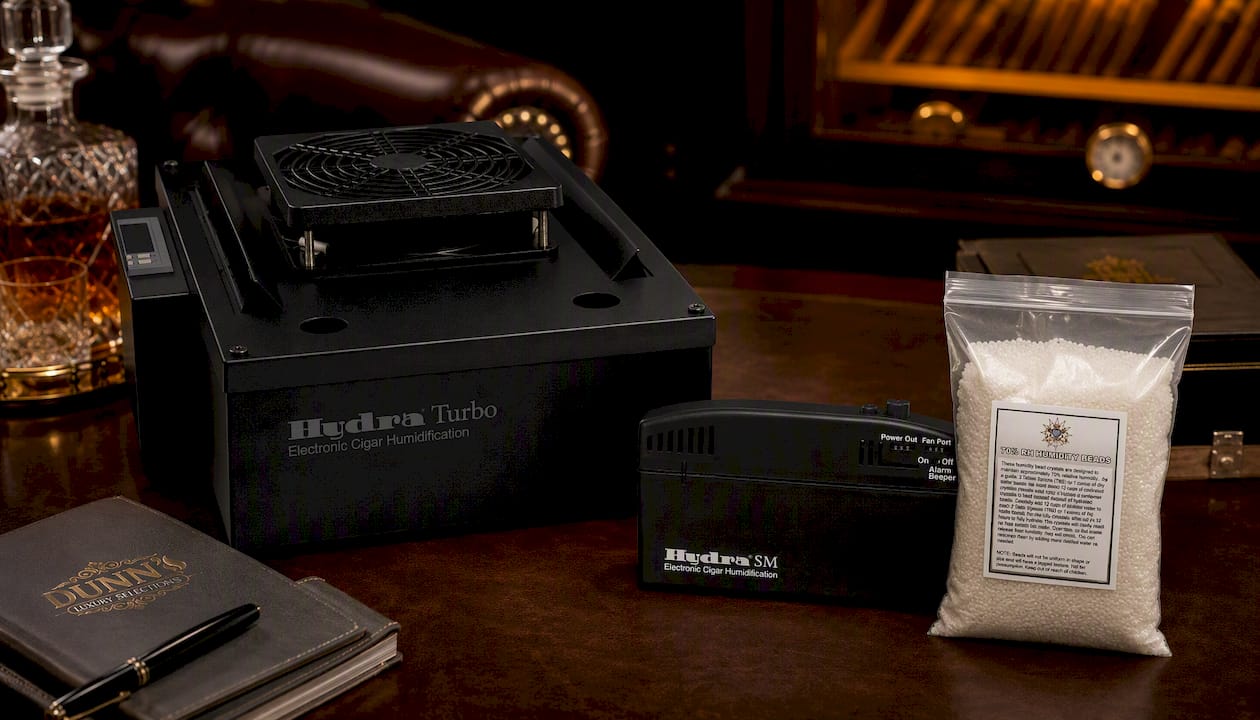
For high-volume cabinets and walk-ins, the HYDRA® TURBO commercial electronic humidifier extends refill intervals well beyond what sponge or gel systems allow, while the HYDRA SM electronic humidifier brings that same low-maintenance profile to desktop and single-cabinet setups. If you prefer a refillable, non-electronic option, our Humidity Beads (1 lb) offer a scalable middle ground between sponge upkeep and full electronic automation. And for lounges or serious collectors who want the entire system engineered around their space, Dunn’s Bespoke delivers turnkey walk-in humidor design with white-glove installation, so refill logistics are solved before the first cigar ever goes on the shelf. Explore Dunn’s Bespoke to start that conversation.
Sources
- Frequently Asked Questions About Cigar Humidifiers | Cigar Star
- How Often Should You Refill A Humidor: Simple Refill Tips - BestGearReviews
- How To Charge A Cigar Humidifier | Holt’s Cigar Company
- Cigar Humidor Maintenance Guide: Seasoning, Calibration, Humidity Control and Troubleshooting in Canada – Amber Ash
FAQ
How often should you refill a humidor humidifier?
It depends on the device: sponge/foam weekly, gel or crystal jars every 2 to 8 weeks, electronic reservoirs about monthly, and two-way packs replaced every 2 to 6 months rather than refilled.
What RH drop should trigger a refill?
Refill when your hygrometer reads 3 to 5% below your target RH, not when cigars already show visible dryness.
Should you use tap water or distilled water in a humidifier?
Use distilled water only. Tap water leaves mineral deposits on foam, beads, and cedar that reduce performance over time.
How long do humidity beads last before replacement?
Humidity beads typically last 3 to 6 years before replacement, though they need periodic rehydration with distilled water in the months between.
How often should you calibrate a hygrometer?
Calibrate at least once a year using a salt test or a commercial calibration kit, since drift of even a few percentage points throws off your entire refill schedule.
Do electronic humidifiers reduce refill frequency?
Yes. Electronic units like the HYDRA® TURBO and HYDRA SM typically need refilling about once a month, far less often than sponge or gel systems, making them well suited to high-traffic cabinets and walk-ins.
What is the best system for a lounge with heavy daily traffic?
Electronic reservoir systems sized to the cabinet’s volume handle frequent openings better than passive bead or pack setups, and Dunn’s Bespoke can design a walk-in system around that exact usage pattern.
Recommended
You May Also Enjoy
Cigar Locker Dimensions: Sizing Guide for Collectors and Lounges
Cigar locker dimensions explained: compartment sizes, cabinet footprints, capacity math and clearances, so you size a locker bank...
Read Article
Sealing a Walk-In Humidor: Envelope, Door and Penetrations
How to seal a walk-in humidor properly: vapor barrier placement, door gasket, penetrations and the controlled airflow a...
Read Article
Retail Humidor ROI: How to Measure What a Display Earns
What does a retail or lounge humidor really return? A practical framework for cigar shops, lounges and clubs:...
Read Article