

Explore notable cigar regions and discover how their unique climates shape distinct flavors. Enhance your cigar selection and appreciation today!
TL;DR:
- Notable cigar regions produce tobacco with unique flavor profiles shaped by specific terroir factors. Understanding sub-regional differences helps collectors select and store cigars with confidence. Proper storage preserves each region’s distinct character until the cigar is enjoyed.
Notable cigar regions are defined as specific geographic areas whose unique combination of soil, climate, and altitude produces tobacco with distinct flavor profiles that shape a cigar’s entire character. The world’s finest tobacco grows within the belt between the Tropic of Cancer and the Tropic of Capricorn, where nutrient-rich soils, controlled sunlight, and natural condensation create conditions no other latitude can replicate. From Nicaragua’s volcanic valleys to Cuba’s legendary Vuelta Abajo, each region leaves a chemical signature in the leaf that no blender can manufacture artificially. Understanding these regions transforms how you select, smoke, and store your collection.
1. What makes a cigar region notable?
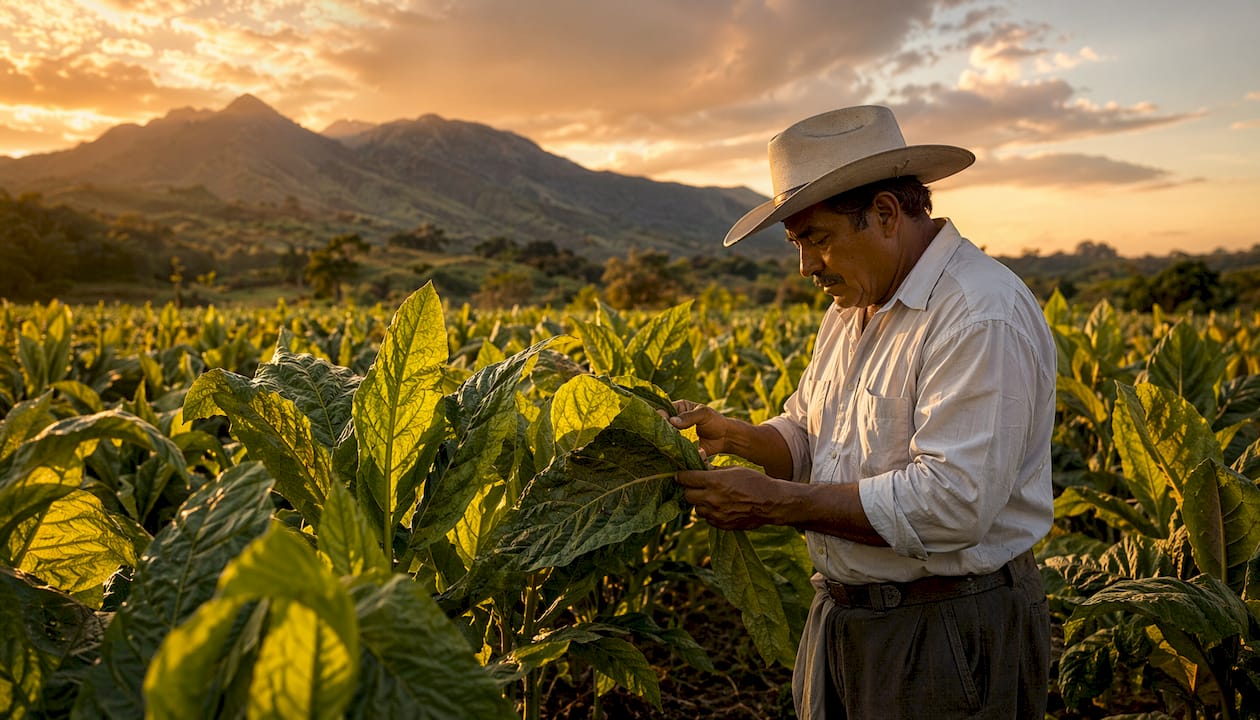
Terroir is the collective term for the environmental factors that shape tobacco’s flavor, and it is the single most important concept in premium cigar appreciation. Soil mineral composition directly affects the biochemical profile responsible for aroma and flavor. That means two farms separated by ten miles can produce leaves that taste nothing alike.
Altitude compounds this effect. High altitude slows leaf growth, allowing complex flavor compounds to develop over a longer maturation period. A tobacco plant grown at 3,000 feet in Nicaragua’s highlands will carry more concentrated oils and sugars than one grown at sea level. The difference shows up immediately on the palate as depth and length of finish.
Climate and microclimates complete the picture. Regions with consistent humidity, morning cloud cover, and afternoon sun create a natural greenhouse effect that regulates leaf texture and burn quality. The highest-quality cigar tobacco grows between the Tropic of Cancer and Tropic of Capricorn precisely because these conditions align there most reliably.
Pro Tip: When reading a cigar band, look beyond the country of origin. The sub-region listed, whether Estelí, Jalapa, or Vuelta Abajo, tells you far more about what to expect in the glass than the national flag ever will.
2. Nicaragua: the dominant force in premium cigars
Nicaragua is the benchmark for full-bodied premium tobacco, and the numbers confirm it. Nicaragua shipped 56.8 million premium cigars to the U.S. in early 2026, commanding 62.5% of the premium import market. Honduras and the Dominican Republic follow at a considerable distance. That dominance is not accidental.
Nicaragua’s four key sub-regions each contribute a distinct character to the blender’s palette:
- Estelí: Volcanic soil and high altitude produce full-bodied, pepper-heavy tobacco with a long, spicy finish. Estelí leaf is the engine of intensity in most Nicaraguan blends.
- Jalapa: Cooler temperatures and a higher elevation valley yield sweeter, more aromatic leaves. Jalapa tobacco is prized as a wrapper for its silky texture and floral notes.
- Condega: Positioned between Estelí and Jalapa in both geography and flavor, Condega delivers earthy, medium-bodied tobacco with walnut and cedar undertones.
- Ometepe: Grown on a volcanic island in Lake Nicaragua, Ometepe tobacco carries a mineral richness and a subtle sweetness that few other regions can match.
Nicaraguan sub-regions distinctly affect blends: Estelí contributes power and pepper, Jalapa adds aromatic sweetness, and Condega balances with earth and nuts. This internal diversity is why a single-country Nicaraguan blend can still deliver extraordinary complexity. The fermentation infrastructure in Nicaragua polishes rather than rescues flavor, because the raw leaf arrives with inherent weight and intensity. That consistency sets a production benchmark that few other countries have matched.
3. Cuba and the Dominican Republic: legacy and refinement
Cuba’s Vuelta Abajo region in Pinar del Río province is the most studied and replicated tobacco-growing area on earth. Its red, iron-rich clay soil and the specific interplay of sea breezes from the Gulf of Mexico and the Caribbean create a tobacco that is simultaneously rich, complex, and balanced. The flavor profile delivers earth, cedar, leather, and a restrained spice that builds gradually. No other region has been copied as often, and none has been copied successfully.
The Dominican Republic’s Cibao Valley offers a counterpoint to Cuban intensity. The Cibao produces smooth, mild-to-medium tobacco with creamy and nutty notes that appeal to aficionados who favor elegance over power. The valley’s fertile alluvial soil and consistent tropical climate produce leaves with exceptional combustion properties, which is why Dominican tobacco appears so frequently as binder in premium blends.
Additional sub-regions worth knowing:
- Semi Vuelta (Cuba): Produces lighter, less complex tobacco than Vuelta Abajo, often used in machine-made cigars.
- Santiago de los Caballeros (Dominican Republic): A secondary growing area contributing mild, aromatic leaf used primarily in filler blends.
Cuba’s historical influence on global cigar standards cannot be overstated. Every major producing country has, at some point, hired Cuban seed stock or Cuban master blenders to elevate its output. That legacy persists in the vocabulary of cigar appreciation, where “Cuban-style” remains shorthand for a specific balance of strength and refinement.
4. Honduras, Ecuador, Brazil, Mexico, the United States, and Indonesia
The best cigar regions extend well beyond the Caribbean basin. The following table maps six additional cigar cultivation hotspots, their primary growing areas, and the flavor contributions that make them indispensable to master blenders.
| Country | Key Region | Primary Use | Flavor Profile |
|---|---|---|---|
| Honduras | Jamastran Valley, Copán | Filler, binder | Earthy, medium-bodied, cedar, light pepper |
| Ecuador | Andes foothills | Wrapper | Clean, sweet, creamy, mild |
| Brazil | Bahia, Mata Fina | Wrapper, binder | Dark, rich, cocoa, dried fruit |
| Mexico | San Andrés Valley | Wrapper, binder | Earthy, cocoa, dark spice |
| United States | Connecticut River Valley | Wrapper | Mild, creamy, hay, light toast |
| Indonesia | Sumatra, Java | Wrapper, binder | Aromatic, earthy, subtle spice |
A few of these regions deserve closer attention:
- Ecuador’s Andes foothills produce wrapper leaf under a natural cloud cover that filters UV radiation. This diffused sunlight creates thin, smooth leaves with minimal veining. Ecuadorian Connecticut wrapper has largely replaced American Connecticut on many premium lines because of its consistency and slightly more complex flavor.
- Brazil’s Mata Fina sub-region within Bahia grows some of the darkest, oiliest wrapper leaf in the world. Mata Fina wrappers carry notes of dark chocolate, espresso, and dried fig. They age exceptionally well and reward collectors who store them properly.
- Mexico’s San Andrés Valley sits in a volcanic basin in Veracruz state. The dark, maduro-style leaf grown here has a natural sweetness underneath its earthy, cocoa-forward character. San Andrés maduro wrappers are among the most sought-after in the premium market.
Pro Tip: If you want to understand Ecuador’s wrapper dominance, compare two versions of the same blend: one with Ecuadorian Connecticut and one with American Connecticut. The Ecuadorian version will show more creaminess and a longer finish. That difference is pure terroir.
5. How regional terroir shapes cigar blend construction
Master blenders select tobacco from multiple regions to achieve balance and complexity in a finished cigar. The wrapper defines the initial palate impact. The binder controls combustion and contributes a secondary flavor layer. The filler provides body, strength, and the long-term flavor development through the smoke.
Regional sourcing in blending is a strategic process akin to culinary seasoning. A blender who pairs an Estelí filler with an Ecuadorian wrapper is deliberately contrasting intensity with smoothness. The volcanic power of the Nicaraguan leaf gets refined by the clean, creamy character of the Andean wrapper. The result is a cigar that opens boldly and finishes with elegance.
Micro-region knowledge allows aficionados to predict a cigar’s intensity and complexity before lighting it. When you see “Estelí filler, Jalapa wrapper” on a blend sheet, you know the cigar will deliver pepper-driven strength softened by aromatic sweetness. That predictive ability is what separates a knowledgeable collector from a casual smoker. It also informs how you store your cigars, because different regional tobaccos age at different rates and respond differently to humidity levels.
Key Takeaways
The world’s best cigar regions are defined by terroir, and understanding sub-regional differences gives aficionados the ability to predict flavor, select blends with confidence, and store their collections with greater precision.
| Point | Details |
|---|---|
| Terroir drives flavor | Soil minerals, altitude, and microclimate create flavor profiles no blender can replicate artificially. |
| Nicaragua leads the market | Nicaragua held 62.5% of U.S. premium cigar imports in early 2026, driven by four distinct sub-regions. |
| Sub-regions matter more than countries | Estelí, Jalapa, Vuelta Abajo, and Cibao Valley each produce tobacco with measurably different characteristics. |
| Blending is regional strategy | Master blenders combine wrapper, binder, and filler from different regions to balance intensity, aroma, and burn. |
| Storage must match the collection | Cigars from different regions age at different rates and require consistent humidity to preserve their regional character. |
Why terroir knowledge changed how I collect
By Belle Dunn
The turning point for me was not a particularly expensive cigar. It was a medium-priced Nicaraguan puro from Jalapa that I almost passed over because I assumed all Nicaraguan tobacco was the same heavy, pepper-forward profile. That cigar was aromatic, sweet, and surprisingly delicate. It made me realize I had been reading country labels and ignoring the far more informative sub-region data printed right on the band.
Terroir knowledge does not just make you a more informed buyer. It makes every smoke more deliberate. When you understand that a Mata Fina wrapper from Brazil’s Bahia region will deliver dark chocolate and dried fruit, you stop reaching for a cigar randomly and start curating an experience. You also start thinking about your collection differently, because a box of San Andrés maduro wrappers ages toward a different destination than a box of Connecticut shade.
The collectors I respect most are not the ones with the largest humidors. They are the ones who can tell you exactly why they chose a particular blend for a particular evening, down to the growing valley and the harvest year. That level of engagement is what separates a collection from an accumulation. Regional terroir is the vocabulary that makes that conversation possible. If you want to go deeper on the craftsmanship side of this world, the artisanal cigar makers guide at Dunnluxuryselections connects regional tobacco knowledge directly to the hands that roll it.
— Belle Dunn
Preserving the character of every region in your collection
When you invest in cigars from multiple famous cigar growing areas, the storage question becomes as important as the selection question. A Jalapa wrapper and an Estelí filler respond differently to humidity fluctuations. Maintaining a stable 65–70% relative humidity is not a preference. It is the condition that preserves the regional character you paid for.

Dunnluxuryselections builds humidors specifically for collectors who take regional diversity seriously. The Humidor Supreme 9200 Series double-door electronic humidor maintains precision humidity across a large capacity, protecting the distinct flavor signatures of Nicaraguan, Dominican, Cuban-style, and specialty tobaccos simultaneously. For collectors curating a smaller but equally refined selection, the Bermuda Cabinet offers bespoke storage with the aesthetic presence that a serious collection deserves. Every cigar you acquire from a top cigar producing country carries a story written in its terroir. The right humidor ensures that story remains intact until the moment you light it.
FAQ
What are the most notable cigar regions in the world?
The most recognized cigar regions include Nicaragua’s Estelí and Jalapa valleys, Cuba’s Vuelta Abajo, the Dominican Republic’s Cibao Valley, Honduras’s Jamastran Valley, Ecuador’s Andean foothills, and Brazil’s Mata Fina sub-region. Each produces tobacco with a distinct flavor profile shaped by its specific terroir.
Why does Nicaragua dominate premium cigar production?
Nicaragua held 62.5% of U.S. premium cigar imports in early 2026, driven by four sub-regions with distinct terroirs and a mature fermentation infrastructure that consistently polishes high-quality raw leaf into world-class tobacco.
How does altitude affect cigar tobacco quality?
High altitude slows tobacco leaf growth, allowing complex flavor compounds to develop over a longer maturation period. This produces leaves with greater oil concentration, more nuanced aroma, and a longer, more complex finish.
What is the difference between Estelí and Jalapa tobacco?
Estelí tobacco is full-bodied and pepper-heavy due to its volcanic soil and high altitude, while Jalapa tobacco is sweeter and more aromatic because of its cooler valley climate. Blenders use them together to balance intensity with elegance.
How should I store cigars from different regions?
Maintain a consistent relative humidity of 65–70% and a stable temperature to preserve the distinct flavor signatures of each regional tobacco. Cigars from different growing areas age at different rates, so a precision-controlled humidor protects the character of your entire collection.
Recommended
You May Also Enjoy
Cigar Locker Dimensions: Sizing Guide for Collectors and Lounges
Cigar locker dimensions explained: compartment sizes, cabinet footprints, capacity math and clearances, so you size a locker bank...
Read Article
Sealing a Walk-In Humidor: Envelope, Door and Penetrations
How to seal a walk-in humidor properly: vapor barrier placement, door gasket, penetrations and the controlled airflow a...
Read Article
Retail Humidor ROI: How to Measure What a Display Earns
What does a retail or lounge humidor really return? A practical framework for cigar shops, lounges and clubs:...
Read Article