

Learn how to match humidors with décor to transform functional storage into stunning design pieces that enhance your space.
A humidor is defined as a precision storage instrument for cigars, but the finest examples also function as deliberate statements of interior design. Knowing how to match humidors with décor means treating your humidor as intentional furniture rather than a hidden utility. The right material, finish, and placement transform a functional box into the visual anchor of a room. At Dunnluxuryselections, we have seen collectors turn a single cabinet humidor into the defining piece of an entire study. This guide covers every design decision that makes that possible.
What materials and finishes best match humidors to different décor styles?
Matching humidor materials to your room’s existing palette is the single most effective step in decorating with humidors. The exterior finish determines whether your humidor reads as a natural extension of the space or an afterthought placed on a shelf.
Traditional interiors call for rich, warm woods and classic hardware:
- Mahogany with a hand-rubbed oil finish pairs naturally with dark leather, Persian rugs, and antique brass fixtures.
- Walnut works in both traditional and transitional rooms, offering a cooler brown tone that bridges old and new.
- Cherry deepens over time, making it ideal for spaces that celebrate patina and legacy.
- Brass hardware on hinges and clasps ties directly to brass lamp bases, candlestick holders, and bar tools already in the room.
Contemporary interiors reward restraint and contrast:
- Glass panel humidors with chrome or brushed nickel hardware suit rooms built around clean lines and neutral palettes.
- Matte black finishes anchor modern spaces the same way a matte black faucet or cabinet pull does.
- Lacquered white or gray exteriors complement Scandinavian and minimalist design schemes without visual competition.
The principle behind all of these choices is material harmony. Repeating a finish across multiple objects in a room creates cohesion. A humidor with brass hardware placed next to a lamp with a brass base and a bar cart with brass fittings reads as a curated collection, not a coincidence.
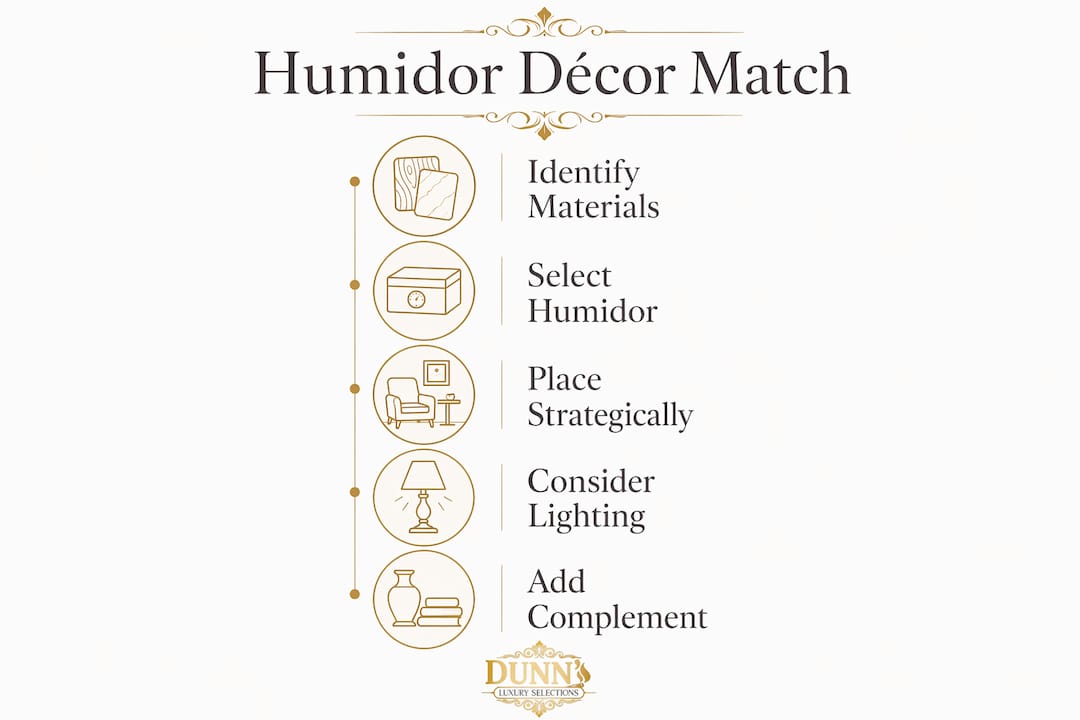
Pro Tip: Before purchasing a humidor, photograph your room and identify the two or three dominant materials. Select a humidor exterior that echoes at least one of them directly.
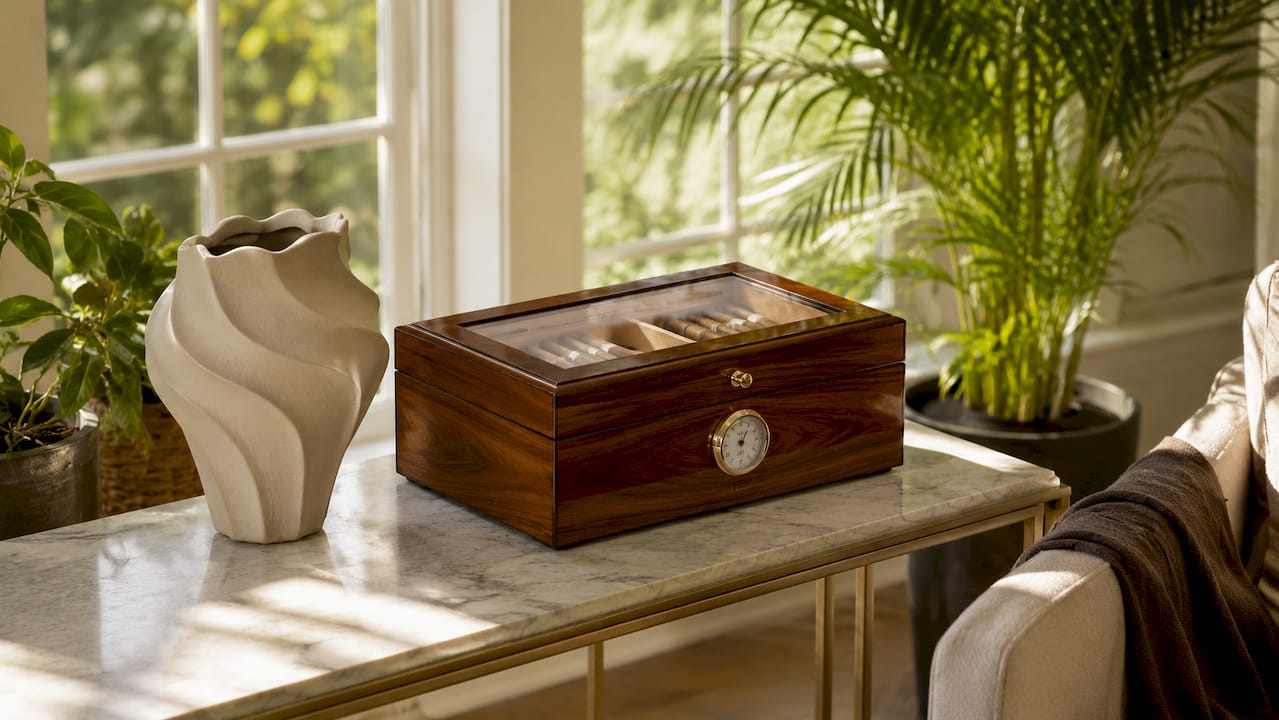
Layering textures also matters. A walnut humidor placed on a leather-topped side table, surrounded by a linen-shaded lamp and a small ceramic tray, creates a vignette with depth. Each material speaks to the others. That layering is what separates a styled room from a furnished one.
How can you use humidors as functional furniture to anchor your space?
Humidor furniture pieces are increasingly designed at full furniture scale, with some cabinet humidors reaching 48x48x82 inches. That scale changes the conversation entirely. A piece that size is not an accessory. It is architecture.
The category breaks into three practical formats:
- Cabinet humidors stand as freestanding furniture, comparable to a bar cabinet or display armoire. Place them in a study, a home lounge, or an entertainment room where they can be seen and accessed without disrupting the room’s flow.
- Coffee table humidors serve dual purpose, offering a conversation piece at seating height. They work best in rooms where the cigar ritual is part of the social experience, not a private one.
- Desktop humidors function as accent pieces on credenzas, bookshelves, or side tables. The Florence Desktop Cigar Humidor from Dunnluxuryselections is a strong example of a classic wood finish that integrates naturally into a traditional interior without demanding attention.
Placement strategy matters as much as the piece itself. Larger cabinet humidors pair best with leather chairs, bar carts, and reading nooks. That pairing is not accidental. These objects share a common design language: craftsmanship, material weight, and a sense of deliberate leisure.
Pro Tip: Give your humidor breathing room. Placing it flush against a wall with objects crowding both sides diminishes its presence. Leave at least 12 inches of visual space on each side to let the piece read as furniture, not clutter.
Proportional scale is the most overlooked element in humidor styling. A small desktop humidor on a large credenza looks lost. A tall cabinet humidor in a small room overwhelms the space. Match the scale of the humidor to the scale of the furniture surrounding it. When the proportions align, the room feels considered.
How does lighting enhance a humidor display without harming cigars?
Lighting is the detail that separates a displayed humidor from a showcased one. The right light source draws the eye to wood grain, brass hardware, and glass panels while keeping the internal climate stable.
Key lighting principles for humidor display:
- Warm ambient lighting suits traditional and transitional rooms. Edison bulbs and warm-toned sconces cast a golden light that deepens mahogany and walnut tones beautifully.
- Battery-powered LED strips placed inside or beneath a cabinet humidor illuminate the collection safely. They generate minimal heat, which protects the internal relative humidity from fluctuation.
- Accent spotlights positioned above a cabinet humidor highlight the exterior finish without directing heat toward the piece itself.
- Avoid direct sunlight entirely. UV exposure fades wood finishes and drives temperature instability inside the humidor.
Placing a humidor near direct sunlight, heating vents, or drafty windows creates humidity and temperature swings that damage both the cigars and the humidor’s wood. This is not a minor risk. Warping, internal condensation, and seal failure all follow from poor placement. The display decision and the preservation decision are the same decision.
The practical rule is simple. Light the exterior with warm, low-heat sources. Protect the interior from any light or heat that enters through glass panels. A well-lit humidor in a well-chosen position is both a visual asset and a functioning sanctuary for your collection.
Practical humidor design ideas for different room types
Matching humidors to home decor requires reading the personality of each room before selecting a piece or a placement. The same mahogany cabinet that anchors a traditional study would feel out of place in a coastal living room with white oak floors and linen upholstery.
Room-by-room styling guidance:
- Traditional study or library: A dark walnut or mahogany cabinet humidor beside a leather wingback chair creates a complete vignette. Add a whiskey decanter, a small framed vintage photograph, and a brass desk lamp to complete the composition.
- Modern lounge or entertainment room: A glass-panel cabinet humidor with chrome hardware reads as a display case as much as a storage piece. Pair it with a bar cart in the same finish family and keep surrounding surfaces clear.
- Home office or reading nook: A desktop humidor on a credenza or bookshelf works well here. The Raching CS600 Luxury Cigar Humidor Cabinet from Dunnluxuryselections offers the presence of a cabinet piece scaled for rooms where a full-height unit would dominate.
- Eclectic or transitional spaces: Mix materials intentionally. A walnut humidor with matte black hardware bridges traditional warmth and contemporary restraint.
The comparison below clarifies which humidor styles suit which room types:
| Room type | Recommended humidor style | Complementary accents |
|---|---|---|
| Traditional study | Mahogany or walnut cabinet | Brass lamp, leather chair, vintage art |
| Modern lounge | Glass panel with chrome finish | Bar cart, neutral textiles, minimal art |
| Home office | Desktop humidor in classic wood | Books, ceramic tray, warm desk lamp |
| Eclectic space | Walnut with matte black hardware | Mixed metals, layered textiles, bold art |
Avoid clutter around your humidor. Every object placed near it should earn its position. A whiskey decanter, a single piece of framed art, and a quality lighter are enough. Crowding the display diminishes the humidor’s presence and makes the room feel busy rather than curated. The goal in elegant humidor setups is always restraint paired with intention.
Key takeaways
Matching a humidor with your décor requires selecting materials that echo the room, placing the piece at the right scale, and lighting it to highlight craftsmanship without compromising the internal climate.
| Point | Details |
|---|---|
| Material harmony is primary | Match humidor wood and hardware finishes to existing room materials for cohesion. |
| Scale determines presence | Choose cabinet, coffee table, or desktop formats based on room size and furniture scale. |
| Lighting protects and displays | Use warm LED strips and ambient sources; avoid direct sunlight and heat near the humidor. |
| Placement is a preservation decision | Keep humidors away from vents, windows, and exterior walls to prevent warping and humidity loss. |
| Treat it as furniture, not storage | Style the humidor as a curated focal point with complementary objects, not as a hidden accessory. |
Why hiding your humidor is the costliest design mistake
The most common error I see is the instinct to tuck a humidor away. Collectors place a beautiful mahogany cabinet behind a door, or slide a desktop piece into a corner where no one will notice it. That instinct comes from treating the humidor as a utility rather than a legacy object. It is the wrong frame entirely.
Treating a humidor as a curated furniture piece that anchors a room changes how you select it, where you place it, and what surrounds it. The humidor becomes a conversation starter, a reflection of taste, and a functional sanctuary all at once. That is a far more honest representation of what serious cigar collecting actually is.
The second mistake I see is ignoring the interior wood when making exterior styling decisions. Spanish Cedar is the preferred interior lining for humidors because it maintains airtight seals through seasonal expansion and contraction without imparting resins that taint cigars. The exterior can be any finish you choose. The interior must be Spanish Cedar. Collectors who prioritize aesthetics alone and compromise on interior construction end up with a beautiful box that fails its cigars.
Custom built-in cabinetry is the approach I recommend for collectors who want both high-performance preservation and seamless aesthetics. A built-in humidor becomes part of the architecture of the room. It does not compete with the décor. It is the décor. That level of integration is the standard Dunnluxuryselections holds for every piece we curate.
— Brian
Dunnluxuryselections: humidors designed to live in your space
At Dunnluxuryselections, every humidor in our collection is selected for both preservation performance and design presence. Whether you are looking for a cabinet humidor that anchors a study or a desktop piece that completes a reading nook, our range covers traditional mahogany finishes, glass-panel contemporary designs, and bespoke custom cabinetry options.

For collectors who want a humidor that functions as a statement piece, the Raching MON800A offers precision climate control in a carbon fiber exterior that suits modern luxury interiors. Our bespoke craftsmanship options allow you to specify finishes, hardware, and dimensions that integrate architecturally into your space. Dunnluxuryselections is where precision storage meets deliberate design.
FAQ
What wood finishes work best for matching humidors to home décor?
Mahogany, walnut, and cherry suit traditional and transitional interiors, while glass panels with chrome or matte black hardware complement contemporary spaces. Match the humidor’s exterior finish to at least one dominant material already present in the room.
Where is the best place to position a humidor in a room?
Place your humidor away from direct sunlight, heating vents, and drafty windows, as these conditions cause temperature and humidity instability that damages cigars. A position near a leather chair, bar cart, or reading area creates both a functional and visually cohesive arrangement.
What is Spanish Cedar and why does it matter for humidors?
Spanish Cedar is the preferred interior lining for humidors because it maintains airtight seals through seasonal wood movement and does not release resins that taint cigar flavor. It is a member of the mahogany family and is distinct from true cedar species.
Can a desktop humidor work as a décor piece?
A desktop humidor placed on a credenza or bookshelf functions as an accent piece when surrounded by complementary objects like a whiskey decanter, a brass lamp, or framed art. Scale matters: choose a desktop humidor proportional to the surface it occupies.
What is the difference between a cabinet humidor and a furniture humidor?
A cabinet humidor is a freestanding storage unit designed for large cigar collections, while the term “humidor furniture” refers to pieces designed at full furniture scale, sometimes reaching 48x48x82 inches, that anchor a room the way a bar cabinet or display armoire would.
Recommended
You May Also Enjoy
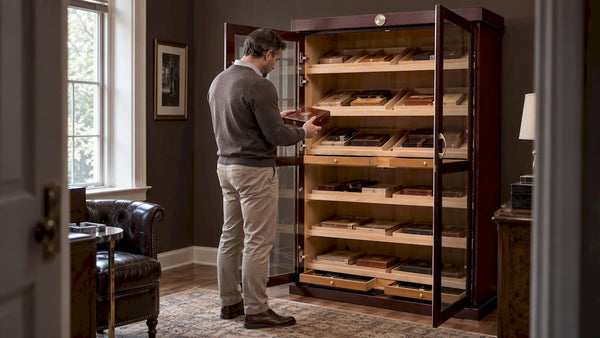
Cigar Collection Insurance: How to Protect Your Humidor
Home policies often cap or exclude cigars. Learn how floaters, agreed value, appraisals and inventories protect a serious...
Read Article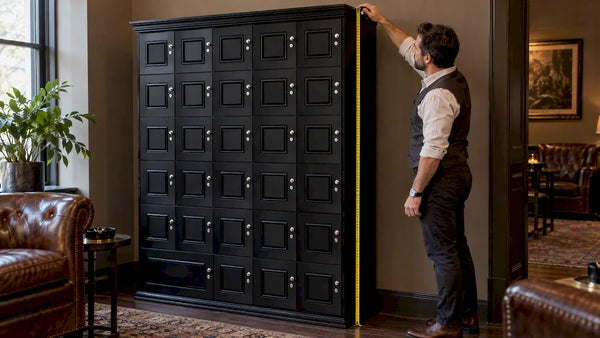
Cigar Locker Dimensions: Sizing Guide for Collectors and Lounges
Cigar locker dimensions explained: compartment sizes, cabinet footprints, capacity math and clearances, so you size a locker bank...
Read Article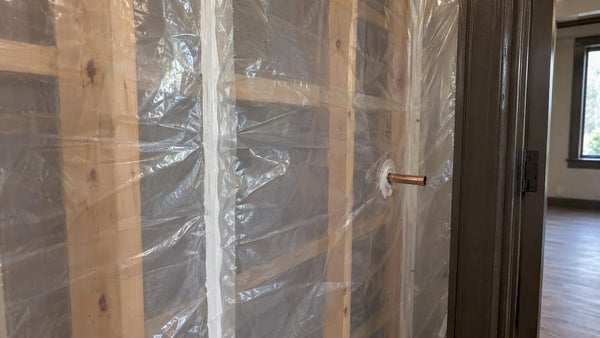
Sealing a Walk-In Humidor: Envelope, Door and Penetrations
How to seal a walk-in humidor properly: vapor barrier placement, door gasket, penetrations and the controlled airflow a...
Read Article