

Discover what is cedar lining, its benefits, types, and installation tips. Protect your fabrics and enjoy a fresh scent in your storage.
Cedar lining is defined as the practice of fitting the interior surfaces of storage spaces, furniture, or cabinetry with aromatic Eastern Red Cedar wood panels to protect fabrics from pests and maintain a fresh, pleasant scent. Specifically, the term refers to Juniperus virginiana, the species recognized in woodworking and home design as the standard for natural pest deterrence. If you’ve opened a well-crafted blanket chest or a bespoke closet and caught that unmistakable warm, resinous aroma, you’ve experienced cedar lining at its finest. This guide covers what cedar lining is, how it works, which cedar type to choose, and how to install and maintain it correctly.
What is cedar lining and how does it protect your storage?
Cedar lining is the application of aromatic Eastern Red Cedar panels to the interior walls, floors, or ceilings of a storage space. Its primary role is to release natural oils that repel moths, carpet beetles, and their larvae before they can damage stored textiles. This is a preventative system, not a reactive one. The wood acts as a continuous, passive guardian for your woolens, silks, and heirloom fabrics.
The natural oils in Eastern Red Cedar, specifically thujaplicins and cedrol, are the active agents. These compounds emit vapors that confuse insect pheromone receptors, disrupting the breeding and feeding cycles of fabric pests. Cedar lining can reduce visible moth and fabric pest damage by up to 90%. That figure reflects high concentrations of these oils in freshly exposed cedar surfaces.
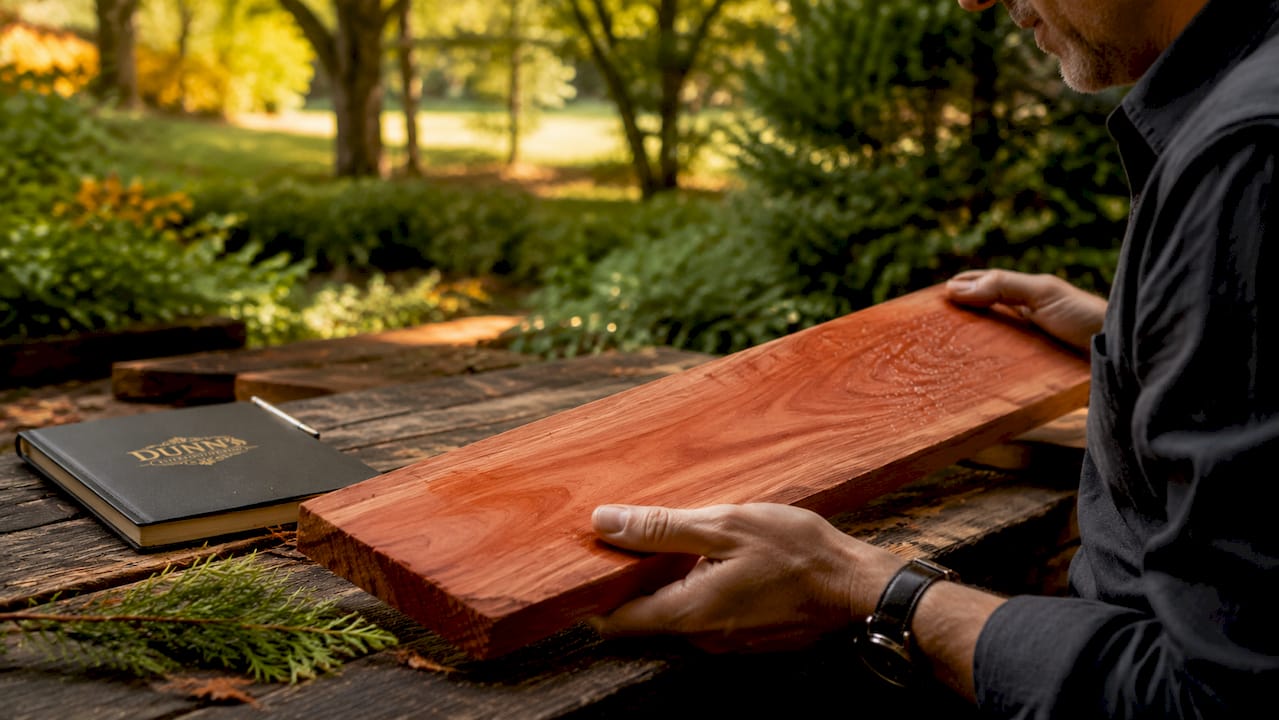
Cedar also carries a secondary benefit that most guides overlook. Its hygroscopic nature means it absorbs and releases moisture in response to ambient humidity. This moderates the microclimate inside a chest or closet, reducing musty odors and slowing mildew growth. For anyone storing fine wool suits, cashmere sweaters, or vintage linens, that humidity moderation is as valuable as the pest deterrence.
One critical clarification: cedar lining is a preventative measure, not a cure for an active infestation. If moths are already present in your storage space, cedar alone will not eliminate them. You must address the infestation first, then rely on cedar to prevent recurrence.
How do cedar types and grades affect performance?
Not all cedar is created equal, and the species distinction is the single most consequential choice you will make. Aromatic Eastern Red Cedar (Juniperus virginiana) contains the key pest-repelling thujaplicins that make cedar lining effective. Western Red Cedar (Thuja plicata), by contrast, lacks these compounds entirely. Using Western Red Cedar for lining is a common and costly error that provides no meaningful pest protection.
The two species look similar to the untrained eye. Both display reddish heartwood and a pleasant grain. The difference is chemical, not visual. Always confirm the species with your lumber supplier before purchasing, and request the botanical name in writing if you are ordering in bulk.
Grade comparison: FAS vs. #1 Common
Beyond species, grade determines the appearance and cost of your installation.
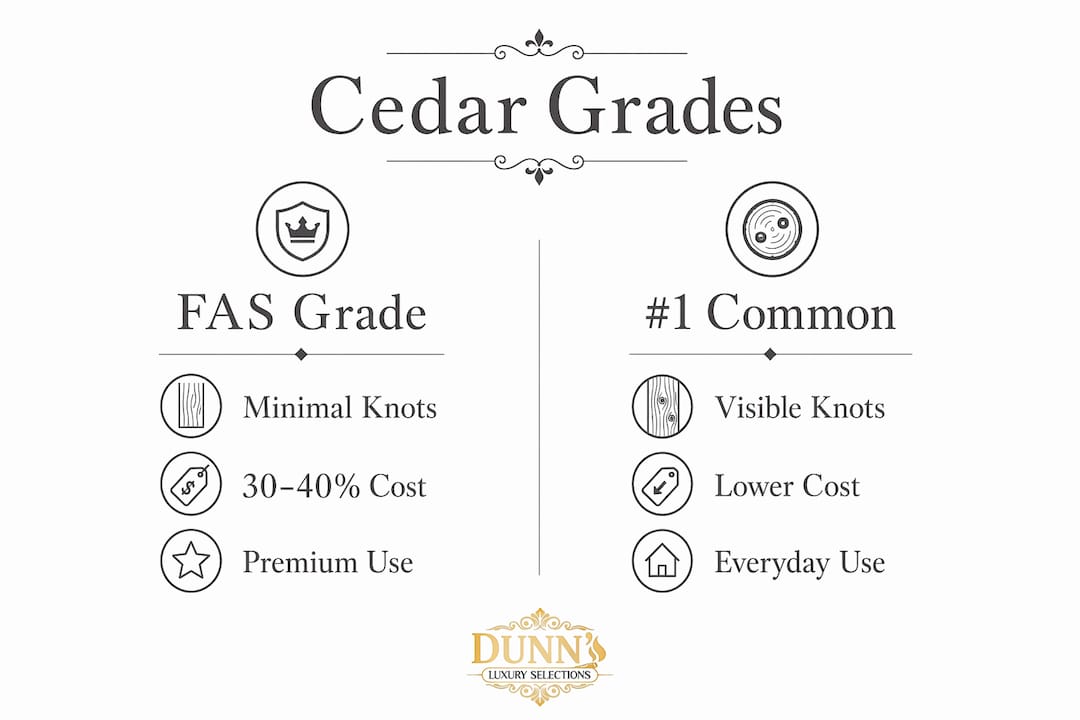
| Grade | Knot frequency | Cost premium | Best use |
|---|---|---|---|
| FAS (First and Seconds) | Minimal | 30–40% more than #1 Common | Visible panels, premium closets |
| #1 Common | Moderate knots | Budget-friendly baseline | Chest interiors, hidden surfaces |
FAS grade cedar reduces installation waste by approximately 25% on visible panels because fewer boards are rejected for defects. That waste reduction partially offsets the higher per-board cost on larger projects. For a bespoke closet where the cedar is on full display, FAS is the correct choice. For the interior of a blanket chest where aesthetics matter less, #1 Common performs identically in terms of pest protection.
Key selection rules to follow:
- Always specify Juniperus virginiana when ordering aromatic cedar.
- Request kiln-dried stock to minimize post-installation movement.
- Inspect boards for tight, consistent grain, which signals higher oil density.
- Avoid cedar marketed only as “aromatic” without species verification.
How to install cedar lining correctly
Installation quality determines how long your cedar lining performs. A poorly fitted installation allows oil vapors to escape through gaps, reducing effectiveness and shortening the lifespan of the wood’s protective properties.
1. Acclimate the cedar before cutting. Store your cedar panels in the room where they will be installed for at least 72 hours. Moisture meters confirm that cedar should reach 8–12% equilibrium moisture content before installation. Skipping this step causes boards to expand or contract after fitting, creating gaps and buckling.
2. Choose tongue-and-groove panels. Tongue-and-groove profiles interlock tightly, minimizing the gaps through which aromatic vapors escape. They also create a cleaner finished surface than butt-jointed boards.
3. Use mechanical fasteners, not glue. Cedar’s natural oils weaken PVA glue bonds by approximately 20% over time. Brad nails or finish nails driven through the tongue of each board are the correct fastening method. This approach also allows individual boards to be removed for replacement without damaging adjacent panels.
4. Leave cedar unfinished. Applying stains, sealants, or topcoats to cedar lining is the most common mistake made by first-time installers. Finished cedar loses its natural protective property because the oils are sealed inside the wood rather than released into the air. The surface should remain raw and exposed at all times.
5. Allow a small expansion gap. Leave a 1/16-inch gap at the perimeter of each wall to accommodate seasonal wood movement. This prevents buckling during humid summer months.
Pro Tip: Place a thin cotton muslin barrier between cedar surfaces and direct fabric contact. Cedar’s natural resins can chemically soften finishes on adjacent wood surfaces and, in rare cases, transfer oils to delicate fabrics. The muslin layer protects your finest textiles while the cedar continues working.
Reactivating cedar over time
Cedar lining oils evaporate gradually. Light sanding every 1–2 years with 120-grit sandpaper reactivates the scent and restores the surface’s oil release. This is the single most important maintenance task for any cedar-lined space. After sanding, wipe away dust with a dry cloth and allow the surface to off-gas for 24 hours before returning fabrics to the space. Consult the cedar care guides at Dunnluxuryselections for detailed maintenance schedules tailored to different storage environments.
Cedar lining uses in storage and decorative woodworking
Cedar lining extends well beyond the standard bedroom closet. Its aromatic properties and warm visual character make it a natural fit for a wide range of storage and design applications.
Custom closets. A fully cedar-lined walk-in closet is the most recognized application. The combination of pest deterrence, humidity moderation, and sensory experience transforms a utilitarian space into a sanctuary for fine clothing. Cedar panels on all six surfaces, walls, floor, and ceiling, create the most effective vapor concentration.
Blanket chests and hope chests. Cedar-lined chests are among the most enduring pieces of heirloom furniture in American homes. Cedar-lined chests command $300–$800 higher resale prices than unlined units in luxury markets. Buyers recognize cedar lining as a mark of quality and long-term preservation intent.
Dresser drawers and armoires. Lining individual drawers with thin cedar sheets, typically 3/16-inch stock, adds pest protection to existing furniture without a full renovation. This is an accessible entry point for woodworkers building their first cedar project.
Cigar humidors and specialty storage. Spanish Cedar (Cedrela odorata) is the traditional interior lining for premium cigar humidors, valued for its moisture regulation and subtle aromatic contribution to tobacco aging. While botanically distinct from Eastern Red Cedar, it shares the same principle: aromatic wood lining as a precision preservation tool. The Bermuda Large Cigar Cabinet Humidor exemplifies how cedar-lined interiors define the standard for luxury storage craftsmanship.
Decorative cabinetry and built-ins. Cedar lining adds a layer of sensory richness to built-in cabinetry in mudrooms, linen closets, and storage benches. The visual warmth of the reddish heartwood, combined with the aromatic presence, creates an impression of considered craftsmanship that painted interiors cannot replicate.
Maintenance in decorative contexts follows the same rules as functional installations. Keep cedar unfinished, sand periodically, and avoid placing heavily dyed or chemically treated fabrics in direct contact with raw cedar surfaces.
Key takeaways
Cedar lining works because aromatic Eastern Red Cedar (Juniperus virginiana) releases thujaplicins and cedrol that repel fabric pests, moderate humidity, and preserve stored textiles for decades when installed and maintained correctly.
| Point | Details |
|---|---|
| Species selection is non-negotiable | Only Juniperus virginiana contains the pest-repelling oils; Western Red Cedar offers no protection. |
| Grade affects cost and aesthetics | FAS grade reduces waste by 25% on visible panels; #1 Common suits hidden surfaces at lower cost. |
| Never finish cedar lining | Stains and sealants block oil release, eliminating the wood’s protective function entirely. |
| Sand every 1–2 years | Light sanding with 120-grit paper reactivates oils and restores aromatic potency. |
| Cedar prevents, not cures | Address active infestations before installing cedar; it is a preventative system, not a remedy. |
Why I trust cedar lining more than any synthetic alternative
I’ve worked with cedar-lined furniture and storage projects long enough to have made every mistake in the book. I once specified Western Red Cedar for a client’s closet renovation because the lumber yard had it in stock and the price was right. The boards looked beautiful. Six months later, the client called about moths. That experience made me a permanent advocate for species verification before any other conversation about a project.
The other mistake I see constantly is finishing cedar to make it “look cleaner.” A coat of polyurethane on cedar lining is the woodworking equivalent of sealing a wine bottle with concrete. You’ve preserved the appearance and destroyed the function. Raw cedar is the only cedar that works.
What I’ve come to appreciate most about cedar lining is its honesty as a material. It doesn’t pretend to be something it isn’t. It performs one job with remarkable consistency, provided you respect its nature. Acclimate it properly, fasten it mechanically, leave it unfinished, and sand it every couple of years. That’s the entire protocol. The reward is a storage space that protects your finest possessions for generations without chemicals, without electricity, and without ongoing cost beyond a few minutes of maintenance.
For anyone serious about wood craftsmanship, cedar lining is one of the most satisfying projects you can complete. The result is functional, beautiful, and enduring.
— Brian
Discover cedar-lined luxury storage from Dunnluxuryselections

Dunnluxuryselections brings the same reverence for aromatic cedar lining to the world of luxury cigar preservation. Every humidor in the collection is built on the principle that the interior environment defines the quality of what it protects. Spanish Cedar interiors regulate relative humidity, contribute to the aging of fine tobacco, and carry the same aromatic character that makes Eastern Red Cedar so prized in closet and chest applications. Explore the full range of cabinet humidor collections and desktop humidor options to find the cedar-lined sanctuary your collection deserves.
FAQ
What is cedar lining made from?
Cedar lining is made from aromatic Eastern Red Cedar (Juniperus virginiana) panels, typically in tongue-and-groove profile. This species contains thujaplicins and cedrol, the natural oils responsible for pest deterrence.
How long does cedar lining last?
Cedar lining lasts indefinitely as a structural material. Its aromatic potency diminishes over time but is restored by light sanding every 1–2 years with 120-grit sandpaper.
Can cedar lining replace mothballs?
Cedar lining is a natural preventative that reduces fabric pest damage by up to 90% in properly maintained installations. It does not replace mothballs for active infestations but is a far superior long-term preventative with no chemical odor or toxicity concerns.
Should cedar lining be sealed or stained?
No. Applying any finish, stain, or sealant to cedar lining blocks the release of its natural oils and eliminates its pest-repellent function. Cedar lining must remain raw and unfinished at all times.
Is cedar lining safe for all fabrics?
Cedar lining is safe for most stored textiles. For delicate or heavily dyed fabrics, place a thin cotton muslin barrier between the fabric and the cedar surface to prevent any direct resin contact.
Recommended
You May Also Enjoy
Cigar Locker Dimensions: Sizing Guide for Collectors and Lounges
Cigar locker dimensions explained: compartment sizes, cabinet footprints, capacity math and clearances, so you size a locker bank...
Read Article
Sealing a Walk-In Humidor: Envelope, Door and Penetrations
How to seal a walk-in humidor properly: vapor barrier placement, door gasket, penetrations and the controlled airflow a...
Read Article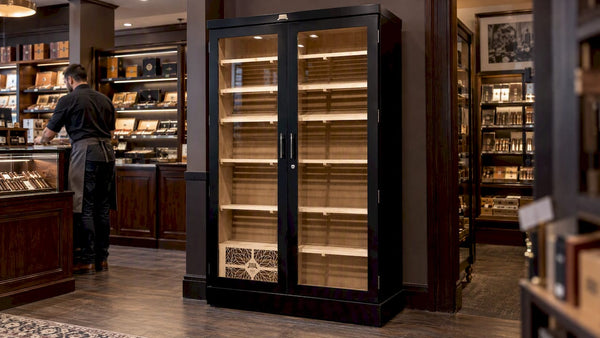
Retail Humidor ROI: How to Measure What a Display Earns
What does a retail or lounge humidor really return? A practical framework for cigar shops, lounges and clubs:...
Read Article